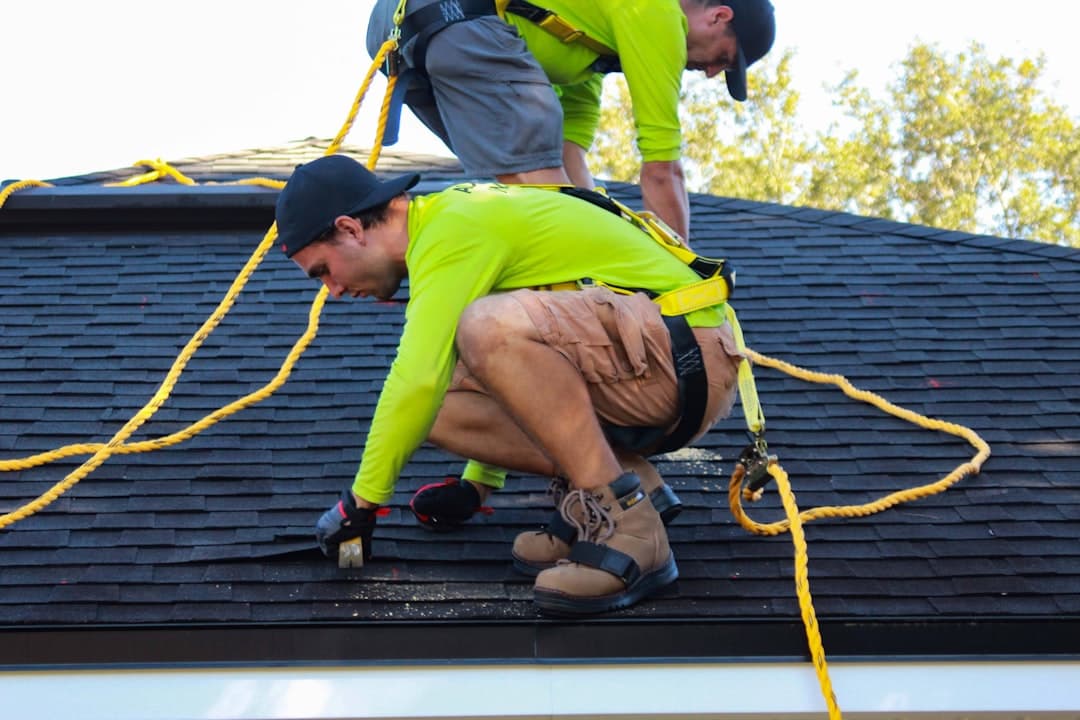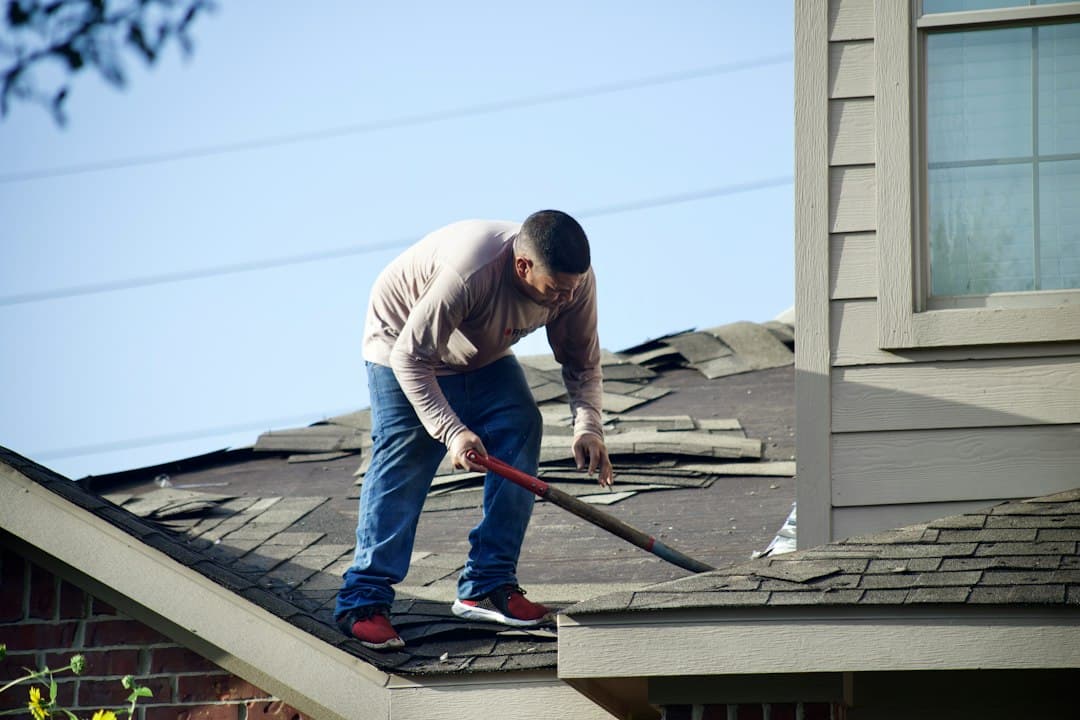
roofing before and after instagram: Proof
Roofing before and after Instagram posts can turn photos into inspection requests. Build a clear photo, caption, and follow-up process.
Finished roofs give you plenty to show, but turning those photos into inspection requests takes more than posting whenever someone remembers. roofing before and after instagram content needs a repeatable path from the job folder to a homeowner who understands the work and knows how to contact the office.
This guide covers which photos to collect, how to explain the change, and how to connect each published job to an inquiry. The focus is residential roofing: homeowners comparing repairs and replacements, checking workmanship, and deciding whom to invite onto their property.
We are a Miami-based team, and our approach connects content with the systems handling inquiries. A useful roof comparison should keep working after it disappears from someone’s feed.
Why should roofing before and after instagram posts explain the work?
Roofing before-and-after posts help homeowners evaluate a contractor when they show the same roof from comparable angles, explain the visible work, and offer a clear next action. Pair the finished view with an honest description of the original condition, the agreed scope, and a way to request an inspection.
A beautiful finished roof leaves several questions unanswered. Was this a repair or a full roof replacement? Did the crew replace damaged decking, address flashing, or simply photograph a different slope?
The caption should answer what the pictures cannot establish. A homeowner considering a small leak repair needs different context from someone comparing bids for a full replacement, so name the job type early.
Quick win: open the last five completed job folders and look for matching before-and-after angles. Any pair that needs a lengthy explanation just to prove it shows the same roof needs a better replacement image.
Comparable roofing photos make the difference visible
Pick a repeatable ground-level position with a fixed reference, such as a chimney or garage. Keep the framing similar enough that the homeowner can compare the roof without mentally rotating the house.
Include one detail image when it explains a meaningful part of the documented work. Flashing around a chimney can tell a clearer story than another wide shot, provided the caption accurately describes what was completed.
The capture checklist below gives the crew and office a shared standard. Collect images during normal job documentation without asking anyone to take additional climbing risks for marketing. Missing photos should create a content exception, never a reason to interrupt safe work.
| Photo or record | What to capture | Publication check |
|---|---|---|
| Before view | Roof and a fixed reference point | Same property and slope as the after view |
| Work detail | Documented area addressed by the crew | Caption matches the completed scope |
| Finished view | Comparable angle after cleanup | No distracting customer information |
| Job summary | Roof type and work completed | Customer permission recorded |
Can a homeowner understand the job without calling your estimator?
A roofing before and after instagram comparison should help someone recognize a relevant job. “Another happy customer” gives them almost nothing to work with, particularly when they are trying to understand competing bids.
Use four caption ingredients: the homeowner’s concern, the verified scope, the visible change, and the next action. Keep technical language where it helps explain the work, then translate it into ordinary terms.
An illustrative caption structure, to fill with documented facts, looks like this:
“Before: [verified roof condition]. Work completed: [approved scope and material]. After: [what the finished photos show]. Considering similar work? Request an inspection through the link in our profile.”
Avoid adding claims that the photos cannot support. A completed roof image does not establish storm resistance, reveal every hidden condition, or explain an insurance decision.
For insurance-related jobs, keep the public story focused on the work performed. Homeowners can ask the office about their circumstances privately without having claim documents or personal details appear in a caption.
Roofing Instagram captions also benefit from a clear distinction between repair and replacement. Someone with an isolated flashing concern should not have to guess whether the pictured job resembles their situation.
Quick win: ask one person outside the roofing trade to read the draft. Have them explain what changed and what they would do next. Rewrite whichever part they cannot answer.
The Lead Piranha Playbook
You're doing the work of a team you don't have.
Every Tuesday I show you one job I automated for good. What it does, the tools by name, and the prompt to copy.
No spam, unsubscribe anytime.
Build a photo handoff that survives a busy roofing week
The practical obstacle is ownership. A crew member has the photos, the estimator knows the scope, and the office has the customer’s permission, but nobody has a complete publishable record.
Give each completed job a small content packet: matching images, verified scope, permission status, and the person responsible for approval. Keep it connected to the job record so details remain traceable when someone questions a caption later.
If the office already uses AccuLynx or JobNimbus, start with that existing job record. Confirm what the current setup supports before choosing an integration, export, or shared folder arrangement.
A useful approval sequence is straightforward: collect, check, approve, schedule. The automation can move approved material between stages and flag missing information. A person familiar with the job should approve technical claims and the final photo pairing.
Keep generated images out of workmanship proof
Use actual job photos for every before-and-after comparison. AI can help organize a draft caption, but changing shingles, removing defects, or inventing a finished roof undermines the evidence homeowners came to evaluate.
Give roofing social media a defined owner
Assign one office owner to the content queue, with a backup for busy weeks. The crew supplies documentation; the reviewer checks accuracy; the office releases only approved material.
For roofing before and after instagram content, a manageable starting schedule might be one complete job story each week. Treat that as a planning choice, not a promised performance formula. Publishing should follow the supply of usable evidence.
Our process overview explains how content, inquiry capture, and follow-up fit together. This connects with the broader home-service marketing system, where published proof has a defined route to an inspection request.
A consistent photo angle makes that handoff easier for everyone. The editor spends less time finding a usable pair, and the homeowner spends less time figuring out what changed. Keep the original files alongside the approved versions so the record stays intact.
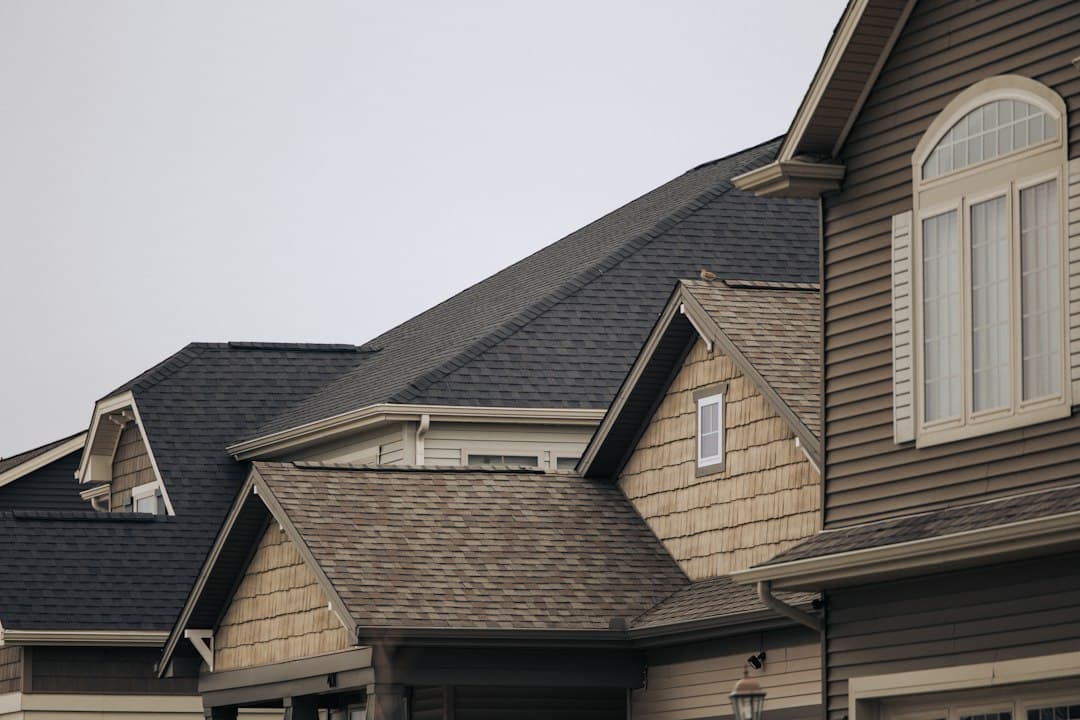
A finished roof should lead to a relevant inspection request
Once the comparison earns attention, the destination needs to continue the same conversation. A homeowner interested in a replacement should land somewhere that explains residential roofing work, service coverage, and the inspection process.
Give that page one obvious next action. Ask for the information the office needs to assess the request, such as contact details, property location, and whether the concern involves a repair or replacement.
Avoid requiring a homeowner to diagnose the roof before submitting. Let them describe what they noticed, then route the request to someone who can assess it properly. A photo upload can add context, but it should not imply that a photo replaces an inspection.
For roofing before and after instagram posts, the handoff should preserve the job story that prompted the inquiry. A campaign label or a simple “Which job caught your attention?” field can help the office continue the conversation.
Prepare the response before publishing the proof
The person answering should be able to find the featured job and its approved summary. That keeps a homeowner from having to explain an entire post to an office that has never seen it.
The existing guide to roofing lead follow-up automation covers the next part of that process. Here, the content system supplies context so the follow-up can address the actual roofing concern.
Before adding publishing volume, check whether new inquiries reach a named person. Confirm that requests receive an acknowledgment and a clear next step. More attention creates extra administrative work when those responsibilities are unresolved.
Quick Growth Check
5 questions. 30 seconds. Find out where your growth system stands.
Judge roofing content by useful inquiries and booked inspections
Likes alone cannot tell the office whether a post attracted a nearby homeowner with relevant work. Keep a simple record of the published job, resulting inquiries, booked inspections, and eventual signed work.
Separate direct attribution from customer recollection. Someone might discover the company elsewhere and use Instagram to check workmanship before calling. Record that influence without claiming the post produced the entire job.
Google’s campaign URL guidance is a useful reference for labeling website visits from shared links. Use consistent names so the resulting reports remain understandable to the person reviewing them.
The marketing report template provides a related way to keep reporting connected to business outcomes. For this content program, include the labor needed to prepare and approve each job story.
Compare job types before increasing the schedule
Consider this hypothetical monthly result: eight inquiries produce three booked inspections, with two related to repairs and one to replacement. Those figures describe the example only; they are not a benchmark or a client result.
The useful question is what happened to the other five inquiries. Out-of-area requests, unrelated services, and unanswered messages require different fixes. Posting more often would not address all three.
Review roofing before and after instagram content by job type and customer relevance over time. Keep the proof that helps homeowners understand the work, and revise stories that repeatedly cause confusion.
The system should make that review possible without rebuilding the history from private messages. Approved job records feed content, content points to a relevant destination, and inquiry outcomes inform the next selection. That is the connection worth building before expanding the publishing calendar.
The Lead Piranha Growth System
Click any step to see details. Highlighted steps show the complete flow.
Turn completed roofs into booked inspections
Your completed jobs can support the next inspection when the photos, explanation, and office handoff work together; the next useful question is which homeowner concerns those job stories should answer. To build that process around your crew and existing job records, book a conversation about your roofing content system.