AI Roof Inspection Salt Lake City Playbook
AI roof inspection Salt Lake City crews use to cut estimate time, plus the follow-up system that turns those hail and snow load reports into signed jobs.
You already know the measuring part of the job is the part nobody pays you for. A homeowner off 3300 South calls about shingles lifting after a spring hail cell, and before anyone signs anything, somebody on your crew burns two hours driving, laddering, chalking, and re-drawing a roof plan by hand. Then the homeowner takes a week to decide, and half the time they take the bid from whoever got back to them first.
AI roof inspection Salt Lake City roofers are adopting changes that math, and not in the way the software companies pitch it. Here is what this post covers: what the technology actually does to your estimate cycle in Utah conditions, where it quietly falls apart, and the follow-up system that decides whether faster reports turn into signed contracts or just prettier PDFs nobody reads.
What Does AI Roof Inspection Salt Lake City Crews Use Actually Do?
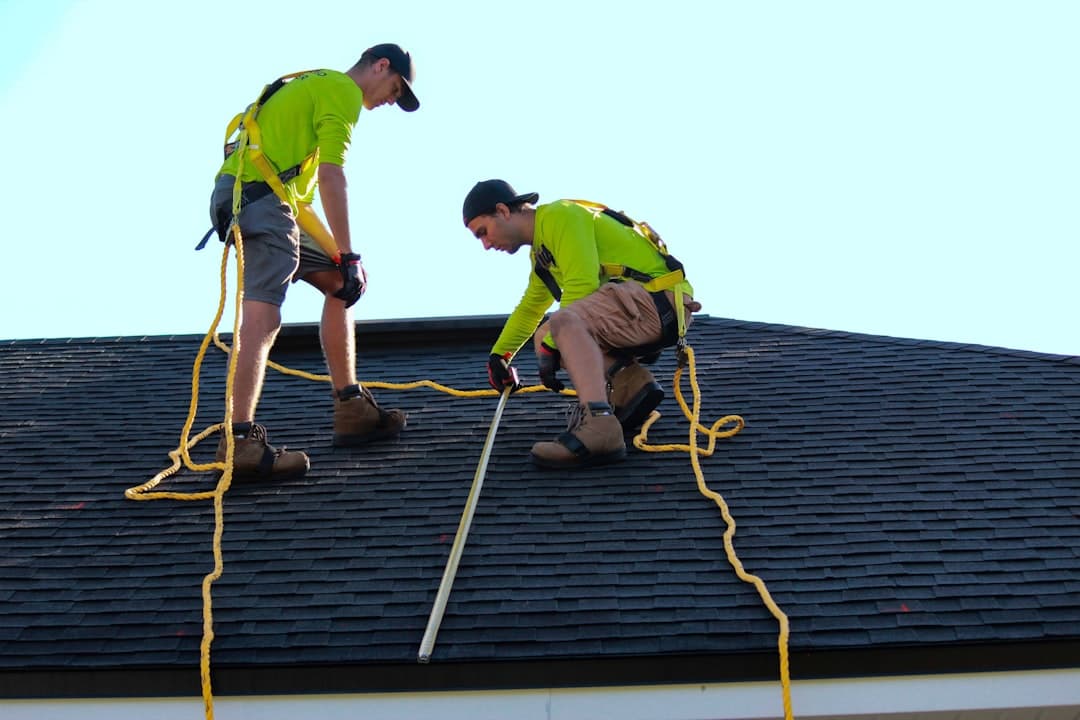
AI roof inspection combines drone or satellite imagery with computer vision that measures pitch, facets, square footage, and damage patterns automatically. Instead of a tech chalking a roof by hand, the system returns a measured report with hail bruising and wind creasing flagged in minutes. You get a quotable number the same day the call comes in.
The important shift is not the imagery. Aerial photos of roofs have existed for years. The shift is that the measurement and the damage classification now happen without a human interpreting every shingle, which pulls a two hour site visit down to something closer to fifteen minutes of review at a desk.
For a Salt Lake City roofing company running five to eight bids a day during a busy stretch, that is the difference between quoting everyone who calls and quoting the ones you had time for.
Why Utah Snow Load and Hail Damage Break the Old Estimate Process
Roofs along the Wasatch Front take a specific kind of beating. Heavy wet snow sits on low-slope sections through February, ice dams work under the underlayment at the eaves, and then a summer hail cell moves through Sandy or West Valley and bruises mats that were already stressed.
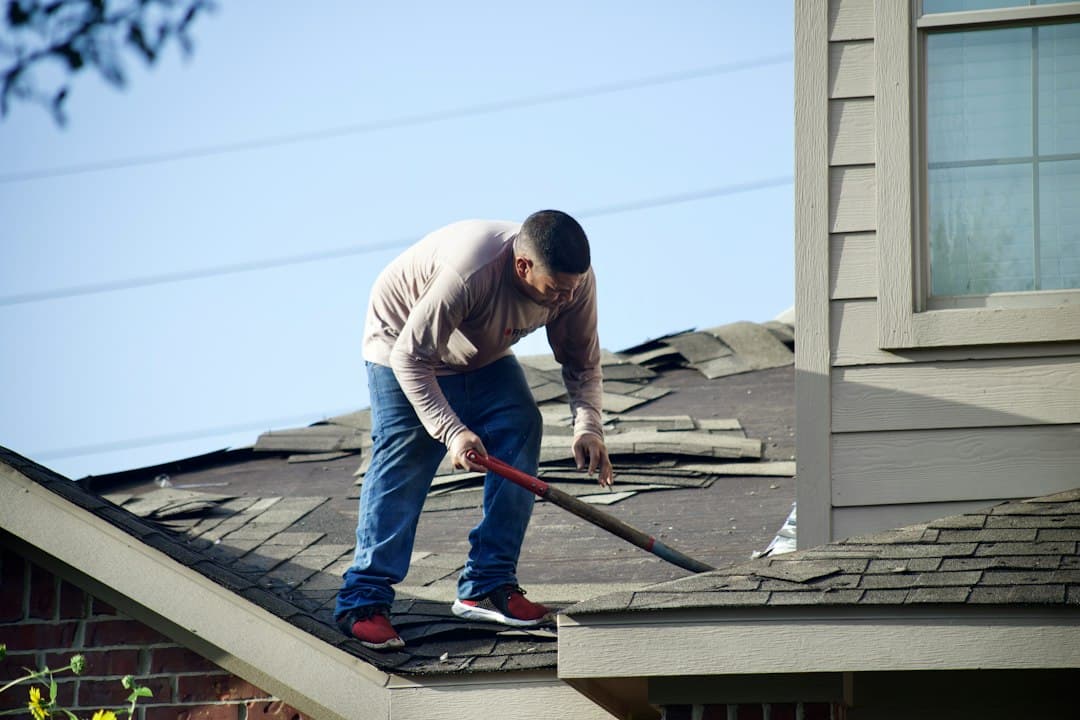
That combination makes roof damage assessment genuinely hard to eyeball. A roof that looks fine from the driveway can have soft decking under three seasons of freeze-thaw. NOAA's records on billion dollar weather and climate disasters show severe storm events driving a growing share of US property loss, and Utah insurers have gotten sharper about what documentation they will accept on a claim.
Documentation quality is the honest reason AI roof inspection Salt Lake City roofers lean on measured reports instead of a handful of driveway photos and a written note. Here is the problem: when a claim gets denied because the photos were vague, the homeowner blames the roofer. Detailed damage mapping protects your reputation as much as it protects the adjuster.
Where the Three Hours Per Job Actually Go
Pull apart a typical bid in this market and the labor splits into four pieces: drive time, on-roof measurement, drawing and takeoff, and writing the proposal. AI roof inspection Salt Lake City companies adopt mostly attacks the middle two.
Drive time does not disappear. You still show up for the jobs worth showing up for. What changes is that you stop driving out to price-shoppers who were collecting their third bid and never intended to sign.
Automated roof measurement also kills the argument between your estimator's takeoff and your supplier's order. When the squares, ridge feet, and valley feet come off the same measured file, material overage drops into the single digits instead of the 12 to 15 percent cushion most crews build in out of habit.
Quick Win: before you buy any roofing technology, time three of your own bids end to end. Most owners guess ninety minutes and find out it is closer to three hours once the proposal writing is counted.
The Lead Piranha Playbook
You're doing the work of a team you don't have.
Every Tuesday I show you one job I automated for good. What it does, the tools by name, and the prompt to copy.
No spam, unsubscribe anytime.
Does Faster Roof Damage Assessment Actually Book More Jobs?
Faster reports only book more work if something happens with them. This is where most of the roofing companies we have looked at leak money, and it has nothing to do with the software.
The report gets generated the same afternoon. Then it sits in somebody's email drafts until Thursday because the estimator is on a roof in Bountiful. By the time it goes out, the homeowner has two other bids sitting in their inbox with photos attached, and yours arrives as the third opinion on a decision they already leaned toward.
Fast measurement plus slow follow-up gets you exactly where you started. We broke down the same pattern in our 7-step system for getting more roofing leads, and it holds here: the constraint was never the measuring. It was everything that happened after.
The teams that get real return wire the report into an automatic sequence. Report generates, homeowner gets a text with the summary and a link within the hour, a follow-up goes out at 48 hours, another at day five referencing the specific damage found on their roof. No one on your crew touches it.
Before
- Two hour site visit before any number exists
- hand takeoff redrawn twice
- proposal written at 9pm
- homeowner follows up before you do
After Lead Piranha
- Measured report same day
- text summary sent within the hour
- 48 hour and day five follow-ups fire automatically
- estimator only calls the homeowners who replied
What Drone Roof Inspection Software Will Not Do For You
We have spent real time inside these platforms, and the honest read is that they are measurement tools wearing sales-tool marketing. They are very good at geometry. They are indifferent to whether you ever speak to the homeowner again.
A few things they do not handle:
- Intake. Someone still has to answer the call that creates the inspection request. If that call goes to voicemail at 5:40pm, no software saves it.
- Qualification. The system will happily measure a roof for someone who is two years from replacing it.
- Follow-up. No inspection platform sends the fourth touch.
- Attribution. You will not learn which ads produced the jobs that closed.
Also worth knowing: if you fly your own drone commercially, the FAA requires a Part 107 remote pilot certificate, and the commercial drone operator requirements are stricter than most owners assume before they buy hardware.
We break down exactly how the intake, qualification, and follow-up layers connect around tools you already own in our full process overview. The inspection platform slots in as one piece of it, not the whole thing.
The real bottleneck
Cutting estimate time from three hours to forty minutes only matters if the proposal reaches the homeowner before your competitor's does. Speed at the measurement step and slowness at the follow-up step cancel each other out.
How to Build the Follow-Up Around the Inspection Report
Start with the inbound call. Every missed call after hours should trigger an automatic text back within a minute, which is the same pattern we covered in our breakdown of missed call text back for contractors. Storm calls in particular come in at dinner time and on Saturdays.
Then qualify before you fly anything. Age of roof, whether a claim has been filed, whether they are the owner, and timeline. Four questions, asked by automation over text, filter out the tire-kickers before your estimator commits a slot.
Once the AI roof inspection Salt Lake City job is complete, the report should trigger the sequence on its own. Homeowners in this market get three to five bids on a replacement, and the roofers who stay visible through the decision window win a disproportionate share of them.
Quick Win: add one touch at day 21. Most roofing follow-up stops at day seven, and insurance timelines routinely push homeowner decisions past three weeks.
Quick Growth Check
5 questions. 30 seconds. Find out where your growth system stands.
Turning Hail Season Inspections Into Signed Roofing Contracts
If your estimates are already fast and your close rate still feels random, the gap is almost certainly in what happens between the report and the signature. That part is a system, and it is buildable around the roofing technology you already run.
The AI roof inspection Salt Lake City contractors are buying handles the geometry and the damage mapping. It does not handle the conversation, and the conversation is where the contract gets signed.
We build that layer for home services companies across Utah and beyond, wired into how your crews actually dispatch. If you want to see what it would look like on your numbers, tell us about your operation and we will map it.
Next in this thread: what storm season demand spikes do to cost per booked job, and how to keep your ad spend from doubling the week after a hail event.