Automated Roof Assessments for Faster Quotes
Automated roof assessments let roofers quote without climbing first. See how accurate they are and how to turn each report into a same-day bid.
On a roof replacement, the job usually goes to whoever puts a real number in front of the homeowner first. For most crews, that number still depends on a ladder, a tape, a sketch pad and half a day of drive time. After a hailstorm or a named storm, you can have dozens of inspection requests and only a handful of people who can safely walk a roof. Automated roof assessments take the measuring off the roof, which changes how fast you can get a bid out.
This post shows you how to go from a new inquiry to a firm, defensible quote in hours instead of days. You'll learn what automated roof assessments measure, how their accuracy compares to a manual climb, and how to connect them to instant quoting and follow-up so the bid gets signed instead of forgotten.
What Are Automated Roof Assessments, and What Do You Actually Get?
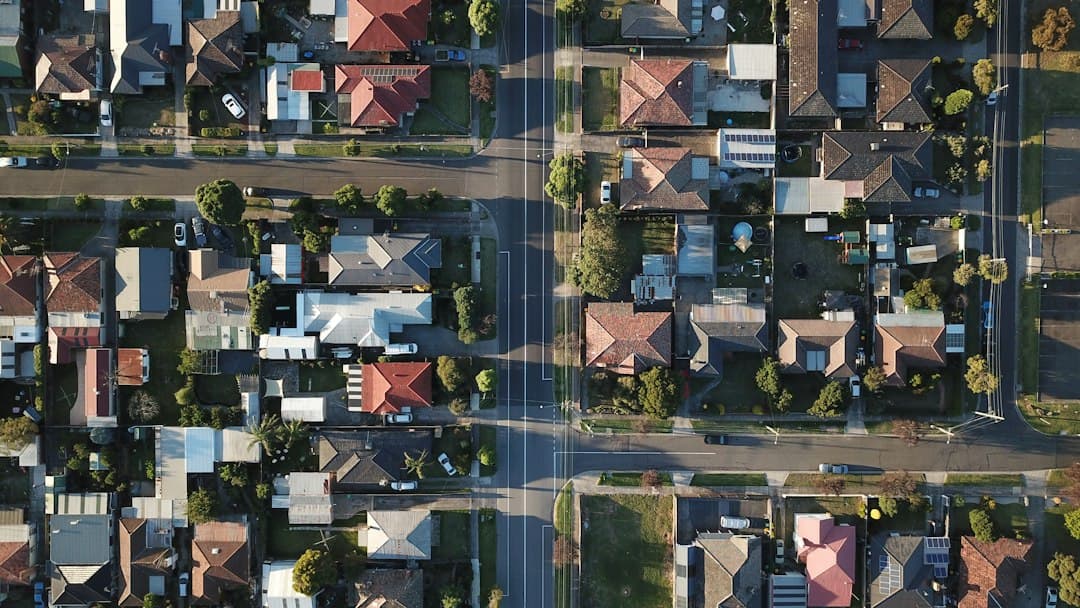
Automated roof assessments are measurement reports built from aerial, satellite or drone imagery instead of a tape on the roof. Software maps each roof facet and returns total squares, pitch, ridges, hips, valleys, eaves and rakes, usually within minutes to about a day. That gives you a material list and a bid without climbing first.
The line items a good report hands you
Most roof measurement reports cover the same core numbers you would write on your own sketch:
- Total roof area in squares, broken out by facet
- Pitch for each facet, which drives labor and safety pricing
- Linear feet of ridge, hip, valley, eave and rake for trim, starter and ice and water shield
- A waste factor suggestion based on how cut up the roof is
- A labeled diagram you can attach to the quote so the homeowner sees where the numbers came from
Where the imagery comes from
Providers like EagleView and GAF QuickMeasure build reports from aerial imagery, while apps like Hover build a 3D model from photos taken on the ground. Drone flights fill the gap when imagery is old or the roof is complicated. The source matters, because it decides how current the picture is and how much detail the software can see.
How Accurate Are Automated Roof Assessments Compared to a Manual Climb?
On measurement, good reports land close to a careful hand measurement on most standard residential roofs. Many roofers find them more consistent than a tape job done at 5 p.m. in the wind. Area, pitch and linear footage are exactly what imagery is good at.
Condition is where they fall short. A picture can't feel soft decking underfoot, lift a tab to check the nail pattern, find rotted flashing behind a chimney or look inside the attic. Heavy tree cover, a recent addition the imagery predates, and steep, cut-up roofs are the usual sources of error.
Climate changes what you need to double-check. Roofers dealing with snow load and ice dams have a different checklist, which we covered in our look at AI roof inspection in Salt Lake City. In the desert, UV and monsoon damage show up differently, which is the focus of our post on AI roof inspections in Tucson.
Quick win: order reports on the next three roofs you already measured by hand and compare the squares. That tells you how far to trust a provider in your market before you bid off it.
| What you need | Manual climb | Automated assessment |
|---|---|---|
| Total squares and pitch | Accurate when measured carefully | Accurate on most standard roofs |
| Time per roof | Drive time plus a climb and a sketch | Minutes to about a day with no truck roll |
| Soft decking and flashing | Found by hand | Not visible from imagery |
| Crew fall exposure | Every single inspection | Only on confirmed jobs |
| Complex or tree-covered roofs | Measured directly | Often needs a manual check |
Why Roof Inspection Software Still Needs a Human Before Tear-Off
The right approach is to quote from the report and confirm from the ladder. Roof inspection software gets you a price the homeowner can say yes to. Your production manager or crew lead confirms the deck and flashing once there's a signed contract, before the dumpster shows up.
That order also keeps your people off roofs that were never going to become jobs. Falls are one of the leading causes of death in construction, according to OSHA's fall protection guidance. The Bureau of Labor Statistics roofer profile lists roofing among the occupations with higher injury rates. Every unsigned inspection you skip is one less climb for your crew.
Quick win: add one line to every quote saying measurements are confirmed on site before install, and the price only changes if decking needs replacing at a stated price per sheet. Homeowners trust the number more, and you keep your margin protected when the deck turns out to be soft.
The Lead Piranha Playbook
You're doing the work of a team you don't have.
Every Tuesday I show you one job I automated for good. What it does, the tools by name, and the prompt to copy.
No spam, unsubscribe anytime.
How Automated Roof Assessments Feed Instant Roofing Quotes
Here's the problem: a report that arrives in 20 minutes does nothing if it sits in someone's email until Thursday. Automated roof assessments pay off when they're one step in a chain that runs without anyone babysitting it. That chain is what turns a report into instant roofing quotes.
The chain from address to estimate
This is the sequence we build for roofers:
- 1A homeowner enters their address and a few qualifying answers on your site or replies to a text.
- 2The system checks service area, homeowner status and timeframe, then orders the report automatically.
- 3Your price per square for each material tier (good, better, best) turns the measurements into a quote.
- 4The quote goes out by text and email with the roof diagram attached, often the same afternoon.
- 5A follow-up sequence starts right away and stops the moment they book or sign.
Many roofing CRMs, like JobNimbus and AccuLynx, already connect to measurement providers, so most of the wiring is setup rather than custom work. We break down exactly how we build and hand over that setup in our full process overview.
Where most bids actually die
The quote is rarely where roofers lose the job. They lose it in the quiet week after, when the homeowner is comparing three numbers and nobody from your shop has called back. We dug into that gap in our post on roofing lead follow-up automation, and it matters even more once your quotes go out faster than your competitors' do.
The Lead Piranha Growth System
Click any step to see details. Highlighted steps show the complete flow.
What Does a Slow Roofing Bid Cost You in Lost Jobs?
Roof replacements are high-ticket, and homeowners know to get more than one bid. When your number shows up third, you're competing on price against two roofers who already built trust. On insurance jobs, adjusters and claim deadlines add pressure to move fast.
Order reports only for qualified roofing leads
The math adds up quickly. If you lose just two replacements a month because your bid landed late, at a $15,000 average ticket that's $30,000 in revenue walking to someone else. That doesn't count the repair work and referrals those homeowners would have sent your way for years.
Timing matters most right now. Atlantic hurricane season runs through November, and hail still hits the Plains into the fall. We're a Miami-based team, so we see firsthand how fast storm demand stacks up and how quickly it disappears once the weather settles.
Bottom line: automated roof assessments make you faster, but only a system that qualifies, quotes and follows up for you turns that speed into signed contracts. Put your own ticket size and lead volume into the calculator below and see what the gap is worth.
Calculate Your Growth Potential
Adjust the inputs below to see projected results for your business.
Turn Storm Season Inspection Requests Into Signed Roof Contracts
If your crews are still climbing every roof before you can give a price, you're paying for the slowest step in your sales process. We build the system that orders the report, sends the quote and follows up until the homeowner signs, all on top of the tools you already use. If you want to see what that looks like for your market, book a 30-minute call.
Next up in this roofing thread, we'll cover what happens after the homeowner signs: how to collect reviews and referrals automatically while the new roof is still the talk of the street.