Med Spa Automation Miami Lifts Botox LTV to $2,940
Med spa automation Miami closes the 6-week Botox rebook window and lifts patient LTV from $720 to $2,940 without more ad spend.
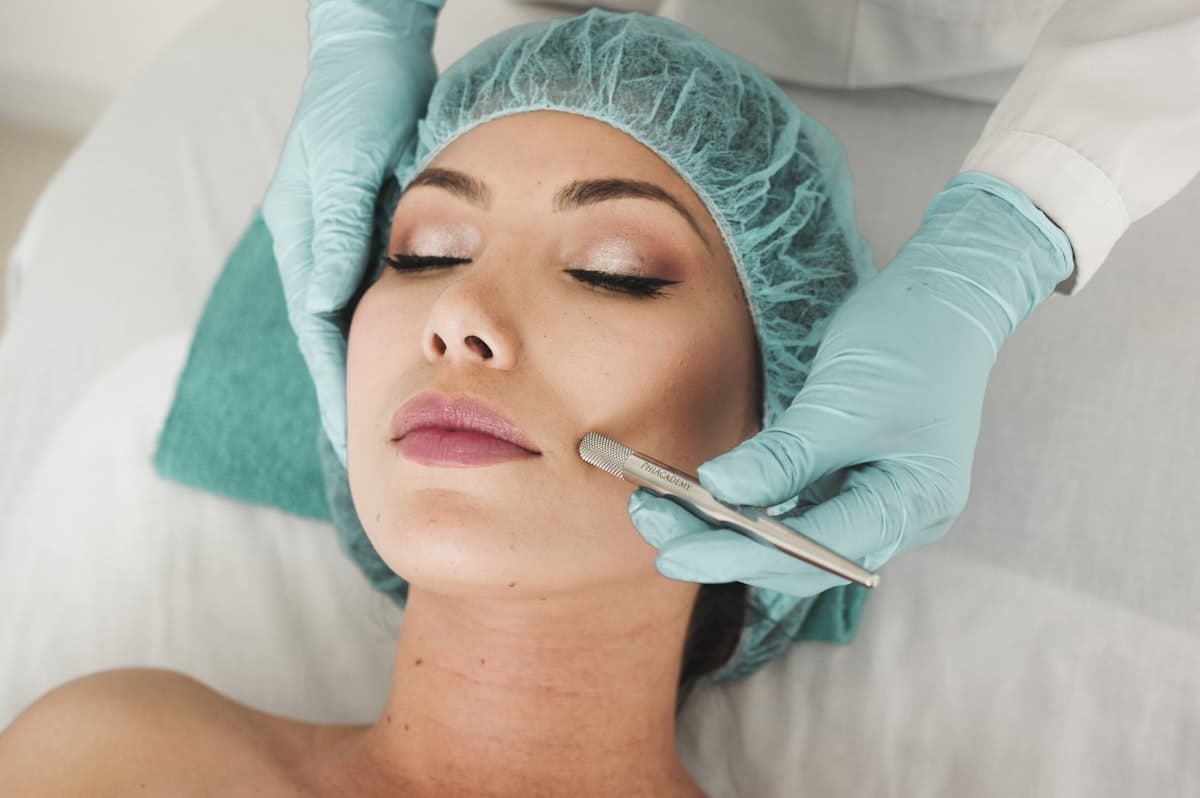
Med spa automation in Miami is uniquely valuable because the South Florida aesthetics market is saturated with Brickell, Coral Gables, Wynwood, and Coconut Grove competitors all bidding on the same Botox keywords. A new Botox patient walks out of your Miami treatment room feeling great. Their forehead is smooth, their crow's feet are softened, and they tip your injector $40 on the way out. That patient just spent $612 with you. Whether they spend another $612 with you in six weeks, or drive across the causeway to your competitor, depends almost entirely on what your reactivation playbook does in the next 14 days.
Here is the brutal math most med spa owners do not run: the average Botox patient who comes in once and never rebooks is worth $487 in lifetime value. The one who rebooks at week 12 is worth $1,460. The one who rebooks at week 6 and stays on a quarterly cadence is worth $2,940 over 24 months. Same first visit. Same product. Three completely different patient lifetime values, and the only variable is whether your practice closed the rebook window.
This post breaks down why the 6-week Botox rebooking window is the single most valuable moment in aesthetic practice growth, what an AI-powered med spa patient acquisition system actually does inside that window, and why retention math is what separates the practices doing $80K a month from the ones stuck at $30K a month.
Why Acquisition Cost Is Not Your Miami Med Spa's Real Problem
Most med spa owners obsess over cost per lead. They want to know what a Botox patient costs to acquire on Meta ads, on Google, through Groupon. The honest answer is somewhere between $67 and $180 in most markets, depending on your service mix and region. Miami runs hotter than national average because med spa automation Miami operators are fighting for the same Brickell professionals and Coral Gables clientele on every platform. That competition is what makes med spa marketing Miami a retention game, not just an acquisition one.
But here is what nobody tells you: a $67 acquisition cost is meaningless if that patient never rebooks. According to a 2025 American Med Spa Association industry report, the average med spa loses 64% of new injectable patients between visit one and visit two. Not because the result was bad. Not because the price was too high. Because nothing pulled them back into the chair at the right moment.
That moment is roughly week 6 for Botox, week 8 for Dysport, weeks 12 to 16 for filler touch-ups, and weeks 4 to 6 for laser maintenance. Miss the window and the patient drifts. They tell themselves they will rebook next month, then their forehead starts moving again, they catch a glimpse in a Zoom meeting, they Google "Botox near me" and book wherever the first ad takes them. That ad is rarely yours.
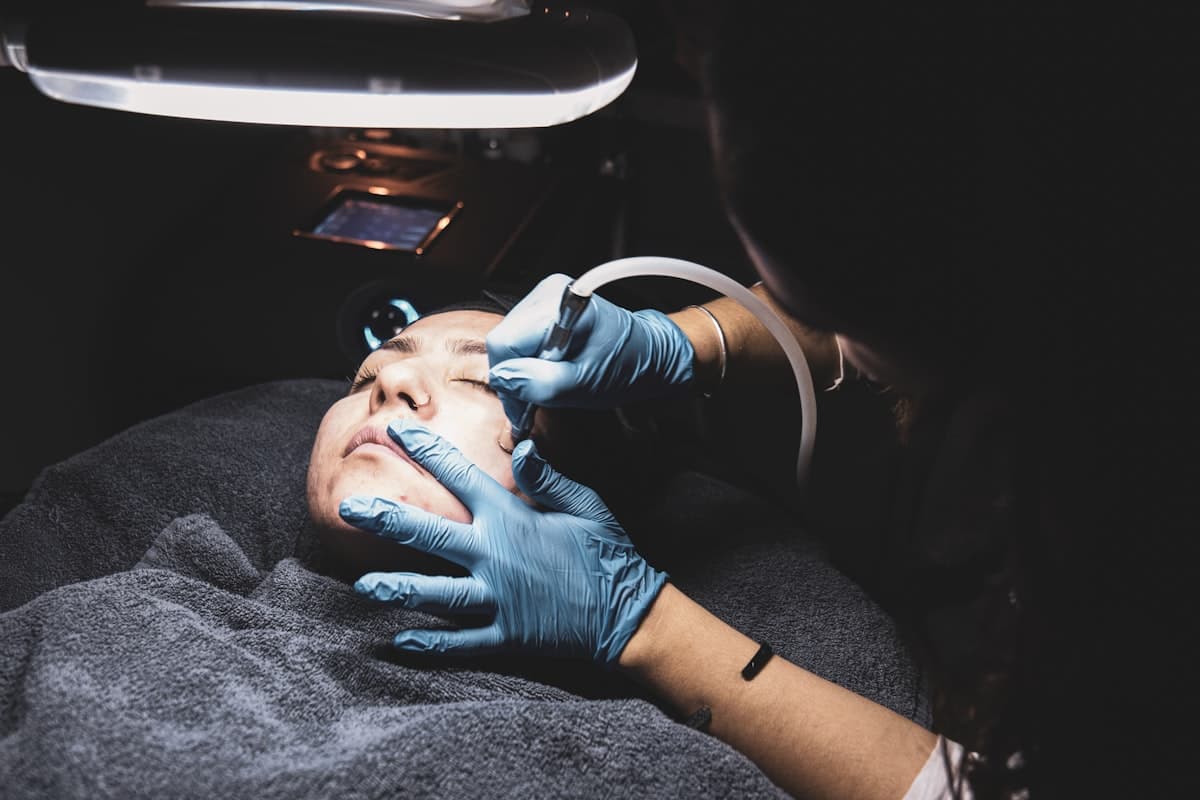
Bottom line for med spa automation Miami operators: you do not have an acquisition problem. You have a rebook-window problem. And no amount of new patient acquisition will fix it, because you are filling a leaky bucket. Med spa patient retention is the part of healthcare lead generation that most med spas skip entirely.
How a Med Spa Patient Acquisition System Closes the Rebook Window
A real med spa patient acquisition system outlasts any one-shot ad campaign: it captures the patient on day zero, treats them on day three, and pulls them back to the table on day 42. Here is what each layer actually does.
Acquisition layer. Conversion-optimized Meta and Google campaigns targeting women 28 to 55 in your zip codes who have shown interest in aesthetics, skincare, or wellness. Ads lead to a qualifying page that asks treatment, prior experience, and timeline. AI handles initial response within minutes. The campaign-and-instant-response side of this is exactly where a dedicated med spa lead generation build puts its energy.
Treatment-cycle retention layer. This is the layer that prints money. The moment a patient completes a treatment, the system tags their chart with the product, the dose, the injector, and the expected duration. Based on the product cycle, it schedules the rebook outreach to land at the optimal moment. For Botox, that is day 35: early enough to catch the patient before they notice movement returning, late enough that the message reads as helpful rather than pushy.
Reactivation layer. Patients who lapsed get pulled back with personalized offers based on their treatment history. A patient who got lip filler 9 months ago does not get the same outreach as a patient who got tox 4 months ago. One practice we worked with recovered $23,000 in revenue in a single month from reactivation alone, all from patients who had already paid them at least once. We break the dedicated med spa patient reactivation sequence down step by step in our Weston writeup.
The Lead Piranha Growth System
Click any step to see details. Highlighted steps show the complete flow.
The Numbers Behind the System
A Miami med spa with locations in Brickell and Coral Gables implemented this exact reactivation playbook in Q1 2026. New patient flow before: 8 to 12 per month, mostly from referrals and Google searches across Wynwood and Coconut Grove. New patient flow after 60 days: 32 in a single month, with a 41% booking rate from ad leads. Cost per acquisition dropped from $180 to $67.
That is the headline number. The retention number is bigger. Their 60-day rebook rate on first-time Botox patients went from 31% to 78% over the same period. Their average patient LTV inside 12 months went from $720 to $2,940. The acquisition spend stayed the same. The bucket stopped leaking.
We see the same pattern with roofing contractors booking 25+ inspections a month, insurance agents replacing cold calls entirely, and Jacksonville dental practices reactivating lapsed patients. The compounding gain comes from retention, not acquisition.
Cost per lead is the metric most owners watch on a weekly dashboard, but on its own it can be misleading for a med spa. A $67 CPL on a Botox campaign that produces a 31% rebook rate is a worse number than a $90 CPL on a campaign that produces a 78% rebook rate, even though it looks better in isolation. The retention layer is what turns the CPL number into an actual LTV number, and the LTV number is what tells the owner whether the business is compounding or treading water.
The Lead Piranha Playbook
You're doing the work of a team you don't have.
Every Tuesday I show you one job I automated for good. What it does, the tools by name, and the prompt to copy.
No spam, unsubscribe anytime.
How Med Spa Automation Miami Handles the Rebook Window
Traditional marketing automation sends the same email to every patient on the list at the same time. AI does something fundamentally different inside the rebook window.
A patient who got 24 units of Botox at the glabella on March 12 has a specific neuromodulator metabolism cycle. The product is going to start showing movement returning around day 35 to 42 for most patients. The AI knows this because the chart link tagged the product, dose, and treatment date. The outreach lands at day 35 with a message that references the prior treatment, offers a slot two weeks out, and includes a one-tap booking link.
Compare that to a generic "we miss you, come back" email blast that goes out to every lapsed patient on the same Tuesday. The first message respects the patient's product cycle and gets booked. The second one gets ignored or unsubscribed.
Here is what the layer actually runs:
- Product-cycle timing. Botox at week 5 to 6, Dysport at week 6 to 8, Restylane at week 12 to 16, Sculptra at week 6 (between sessions in a 3-session course), HydraFacial at week 4 to 6.
- Treatment-specific nurture. A lip filler patient gets content about lip filler maintenance and combination treatments. A Sculptra patient gets content about treatment progression photos and the next session timing. Not a generic newsletter.
- HIPAA-compliant chart-link integration. The system references the prior treatment without exposing PHI in marketing messages. The patient sees "ready for your touch-up?" The chart-link sees the SKU, the dose, the injector. No one outside the BAA-covered stack sees either.
HIPAA, Mindbody, and Chart-Link Integration
Any system handling med spa patient data needs to be built with HIPAA compliance from day one. That means encrypted communications, no patient health information in marketing messages, proper consent flows, and BAA agreements with every vendor in the stack.
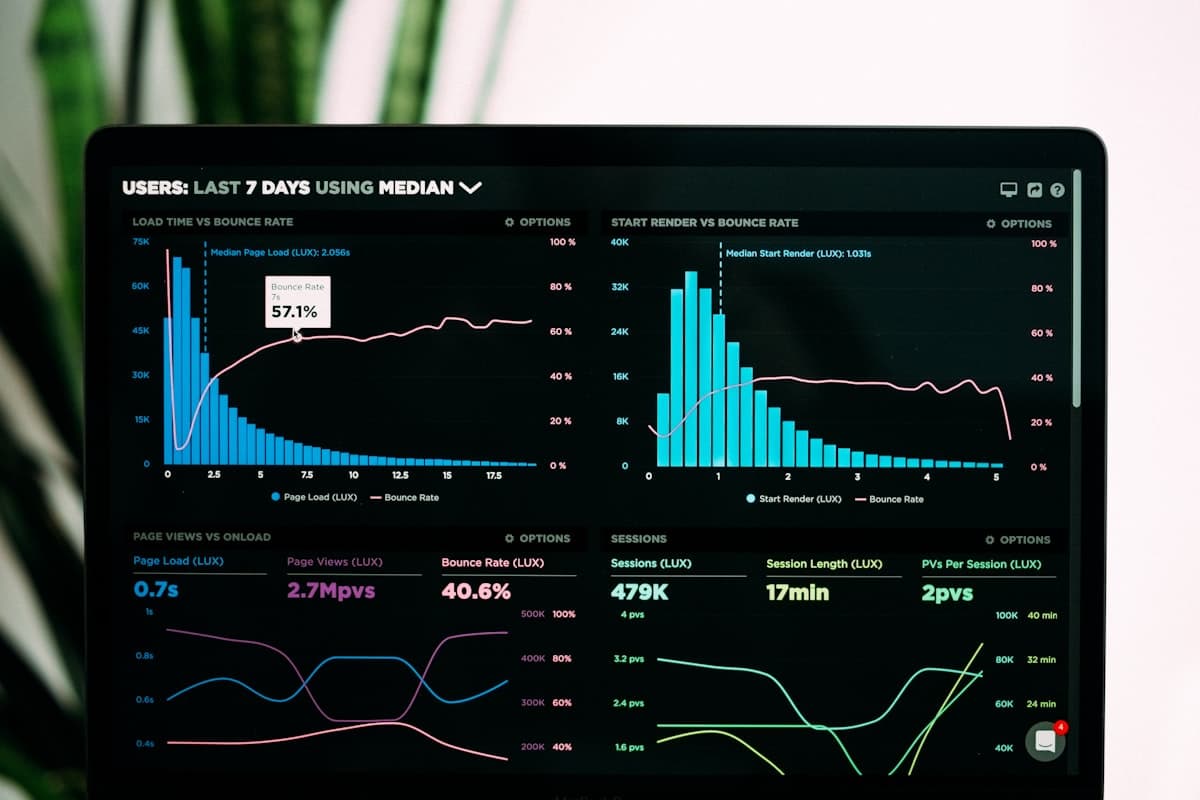
The system layer we are describing does not need to touch your EMR or full patient health record. It operates on a chart-link approach: the EMR or practice management software (Aesthetic Record, Symplast, Mindbody, Boulevard, PatientNow) holds the PHI behind the BAA-covered firewall. The marketing layer gets a non-PHI signal that says "patient X is at day 35 of a Botox cycle" without exposing the dose, the injector notes, or the photos.
For practices on Mindbody specifically, the chart-link integration uses the appointment-type and product-tag fields that already exist in the system. No new EMR. No data migration. The retention layer reads the appointment history, calculates the rebook window, and triggers outreach inside the window without any front-desk work.
Quick win: audit your current marketing tools right now. If you are using a generic email platform without HIPAA compliance for patient communications, that is a liability waiting to happen. According to the HHS Office for Civil Rights enforcement summary for 2025, healthcare-adjacent marketing was among the top three sources of HIPAA violation settlements last year. Tools built for healthcare marketing handle this out of the box.
The Med Spa Automation Miami LTV Math Most Practices Never Run
This is the math that separates owners who scale from owners who plateau.
Acquisition CPL math: $87 cost per booked consult, 60% conversion to first treatment, $389 average first-visit revenue. Looks fine on paper. You are making roughly $245 net on the first visit.
LTV math: that same patient, with a closed rebook window at week 6, comes back 4 to 6 times per year for 24 months. Average annual revenue per retained patient lands between $1,400 and $2,200 depending on your service mix. Filler add-ons, laser maintenance, skincare retail, and combination treatments push the high-retention patients past $3,000 in year-one LTV.
The acquisition number tells you whether your ads are working. The LTV number tells you whether your business is working. A med spa with a $67 CPL and a 31% rebook rate is a business that runs on the treadmill. A med spa with a $90 CPL and a 78% rebook rate is a business that compounds.
Calculate Your Growth Potential
Adjust the inputs below to see projected results for your business.
We build this exact retention layer for med spas and aesthetic practices. See how it works. Most practices see ROI on the retention layer alone within the first 30 to 45 days, separate from any new-patient acquisition gains.
What Happens If You Try to Build This Yourself
You could build a version of this manually. Run your own ads, set up email sequences, tag charts in Mindbody and remember to text patients at week 5. Some owners do.
But here is the honest truth: the gap between "I have the tools" and "I have a system" is where most practices get stuck. You can buy a CRM, set up a Meta Business account, and write a few email templates. That gets you maybe 20% of the way there.
The other 80% is the orchestration: making sure a patient who got 24 units of Botox on March 12 gets a rebook nudge on April 16, not on a generic Tuesday blast. Making sure a lip filler patient gets lip-filler-specific content, not a tox-focused email. Making sure your front desk does not have to remember any of this, because front-desk staff turn over and the institutional memory walks out the door with them.
That orchestration layer is what AI handles. And it is what separates practices doing 8 new patients a month with a 31% retention rate from those doing 30+ new patients with a 75%+ retention rate.
See the Retention Layer Built for Your Practice
Every med spa is different. Your treatment mix, your market, your price points, your patient demographics. A system built for a Botox-focused practice in Brickell or Coral Gables looks different from a body contouring clinic in Dallas.
But the retention framework is the same: chart-link integration, product-cycle timing, treatment-specific nurture, and intelligent reactivation. The practices running these systems work the same hours as everyone else. What they run differently is a layer that closes the rebook window while their injectors focus on patient care.
If your calendar still depends on hoping patients remember to rebook, or your front desk is the one trying to chase Botox patients who lapsed last quarter, there is a better way.
Book a call to see how We build the retention layer for med spas.