How a Jacksonville Dental Practice Filled 47 Slots With AI
Dental practice Jacksonville FL reactivation playbook that filled 47 lapsed-patient slots in March across 32207 San Marco and 32257 Mandarin.
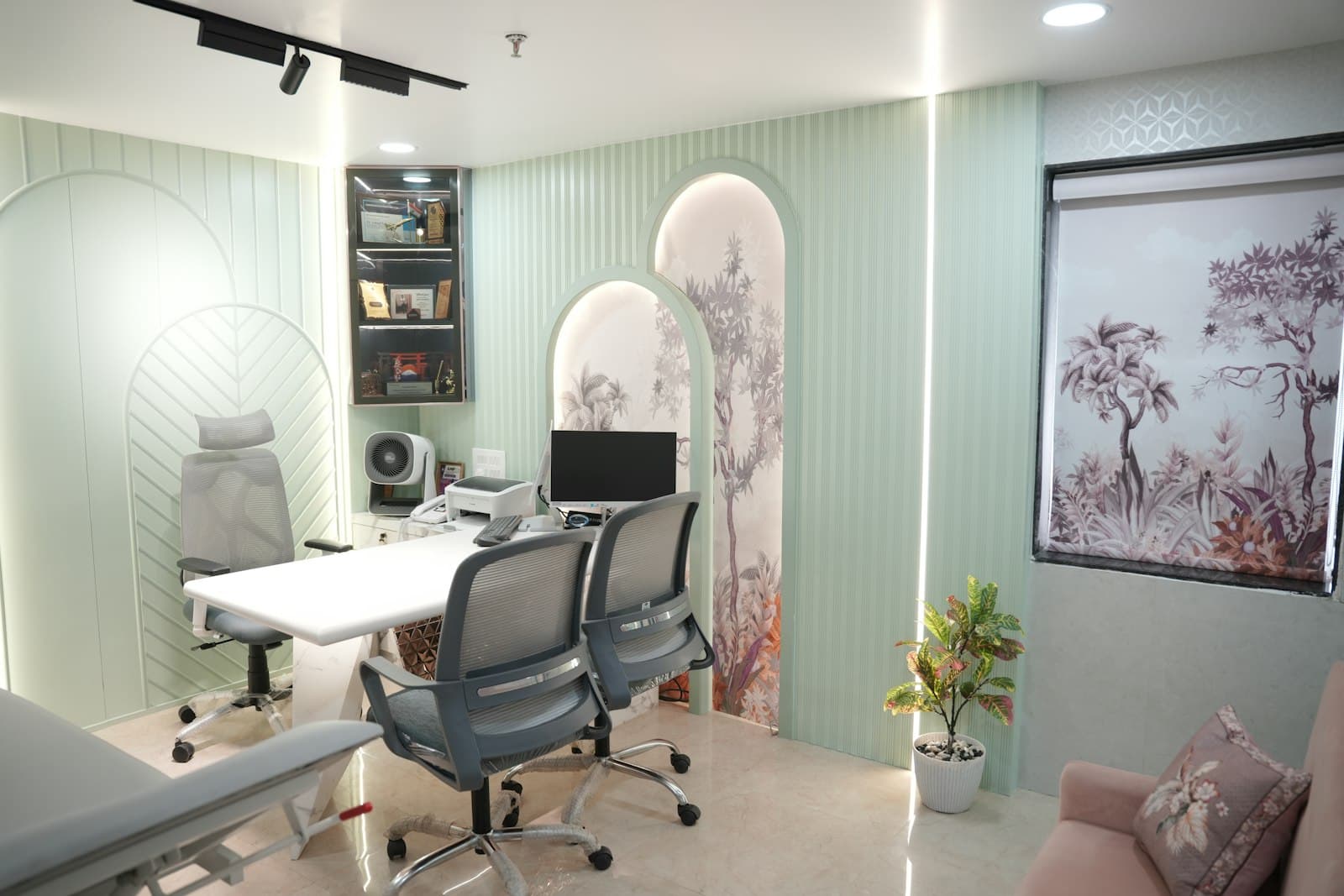
Dr. Patel runs a 4-operatory general practice on Hendricks Avenue in San Marco, ZIP 32207. Walk into her waiting room and you will see the river bridge mural her daughter painted, the same Florida Times-Union on the side table, and the same staff who have been with her for nine years. What you will not see is empty operatories at 2:30 PM on a Tuesday. That used to happen 6 to 8 times a week. In March 2026, it happened twice.
The change had nothing to do with a new ad campaign or a new website. It was a reactivation system that pulled 47 lapsed patients back into her chairs in 31 days, almost all of them living in 32207, 32257 Mandarin, or 32256 Baymeadows. Same staff, same hours, same insurance mix. The empty slots stopped being empty.
This post breaks down what the reactivation system actually did, why local-pack SEO inside Duval County works differently than generic Jacksonville marketing, and what the dental practice Jacksonville playbook looks like for a single-location general practice in 2026.
We are a Miami-based team, and the same healthcare lead generation system we run across the Miami metro fills schedules for practices statewide, including here in Jacksonville.
Why Every Dental Practice Jacksonville FL Loses Patients They Already Treated
Forget the cost-per-acquisition math for a minute. The most expensive patient in any dental practice Jacksonville practice is the one who came in once, paid the bill, and never came back. You already paid to acquire them. You spent staff time on intake and treatment. You handed them a $4 toothbrush and a follow-up card. Then they vanished.
According to the ADA Health Policy Institute's 2025 patient retention report, the average general dental practice loses 38% of new patients before they ever return for a second cleaning. Among those, the practices that have no automated reactivation system in place lose another 22% of established patients in any given 18-month window. Between the two leakage points, a typical Jacksonville practice has a 500 to 1,200 patient list of "lost" patients sitting in their PMS doing absolutely nothing.
For a practice with 800 lapsed patients on Dentrix or Open Dental, even a 6% reactivation rate is 48 patients back in the chair. At an average reactivation patient revenue of $340 (cleaning, exam, often a small restorative finding), that is $16,320 in a month from outreach to patients you already had a relationship with.
Quick Win: Open your PMS right now and run a report on patients who have not been seen in 12 to 24 months. Whatever that number is, multiply it by 0.06 and then by your average reactivation visit revenue. That is conservative. That is also money you have not been collecting.
Why San Marco and Mandarin Search Behavior Is Different From Generic "Jacksonville Dentist"
Most marketing agencies sell Jacksonville dental practices a campaign targeting "Jacksonville dentist" or "dentist near me." That is wrong for two reasons, and both point to the same fix: San Marco dentist marketing has to work at the neighborhood level, not the city level.
First, Jacksonville is the largest city by land area in the continental US. A patient in 32207 San Marco is not driving to a 32218 Northside practice for a cleaning, ever. The map-pack rankings that matter are at the neighborhood level, not the city level.
Second, the actual high-intent search queries Duval County residents type are hyper-local. Google Trends data for the Jacksonville DMA shows that "dentist San Marco," "dentist 32207," "Mandarin dentist," and "dentist near Baymeadows" pull more local-intent traffic in their respective ZIPs than the broad "Jacksonville dentist" term. The patient typing those searches is already 80% decided geographically. They are picking from the 4 to 8 practices that show up in the local pack inside their ZIP.
Dr. Patel's practice was ranking #11 for "dentist 32207" at the start of March. By month-end she was ranking #3, and 19 of the 47 reactivations came from local-search-driven recall reminders that referenced her position in the San Marco map pack. The local-pack ranking was the credibility signal that made the reactivation message land.
The Duval County Dental SEO and Reactivation Playbook
This is the playbook Dr. Patel's practice ran. It is replicable for any single-location general practice in San Marco, Mandarin, San Jose, Lakewood, Avondale, Riverside, Springfield, or any of the other neighborhood-level submarkets inside Duval County. We ran a near-identical build for a dental practice in Salt Lake City that shows the same playbook holding up well outside Florida.
Step 1: Audit your Google Business Profile against the neighborhood-level competition. Pull the local pack for "dentist [your ZIP]" and the closest neighborhood term. Note the top 3 practices, their review count, their photo count, and their review velocity over the last 90 days. You are not competing with every practice in Jacksonville. You are competing with the 4 to 8 practices in your local pack.
Step 2: Hyper-local content on your site. Pages that target "dentist San Marco," "emergency dentist Mandarin," "Invisalign 32207" rank because they are written for a specific search intent inside a specific neighborhood. Generic pages about "your Jacksonville dentist" do not compete with the practices that built neighborhood-specific content.
Step 3: Lapsed patient list segmentation by ZIP. Pull your full lapsed-patient list from Dentrix, Eaglesoft, or Open Dental. Segment by ZIP. Patients in your home ZIP and the two adjacent ZIPs are your primary reactivation pool. They live in your pack. They are statistically the easiest to bring back. We break the segmentation logic down layer by layer in our Dentrix patient win-back sequence, which walks through how each dormant cohort gets its own message track.
Step 4: AI-driven reactivation outreach with neighborhood-specific copy. Generic "we miss you, come back" emails get ignored. Outreach that references the patient's last visit, names the neighborhood, and offers a specific available slot inside the next 14 days books at 6% to 12% within the first two weeks. Dr. Patel's outreach mentioned the practice's location and a one-tap booking link to a slot already pre-held in her schedule.
Step 5: New-patient capture from the same local-pack rankings. Once your local-pack position improves, the reactivation outreach lifts your review velocity, which lifts your local-pack ranking, which generates new-patient inquiries from neighbors of the patients you reactivated. The flywheel feeds itself.
The Lead Piranha Growth System
Click any step to see details. Highlighted steps show the complete flow.
The diagram makes the moving parts look tidy, but the real lift comes from sequencing those layers in the right order for a Duval County practice. Local-pack ranking goes first because every reactivation message lands on a patient who is going to Google your practice name before booking. ZIP-segmented outreach goes second because patients in your home pack convert at higher rates than patients in farther submarkets. Held appointment slots go last because a one-tap booking link to a real open time always beats a "call us to schedule" pitch. Skip any one of those and the reactivation rate drops by half.
- Targeting 'Jacksonville dentist' citywide
- Generic email blasts to lapsed list
- No ZIP-level segmentation
- Manual recall calls when staff has time
- Targeting 'dentist 32207' and 'dentist Mandarin'
- AI outreach referencing last visit
- ZIP-segmented lapsed-patient lists
- Automated booking flow with held slots
- Targeting 'Jacksonville dentist' citywide
- Generic email blasts to lapsed list
- No ZIP-level segmentation
- Manual recall calls when staff has time
- Targeting 'Jacksonville dentist' citywide
- Generic email blasts to lapsed list
- No ZIP-level segmentation
- Manual recall calls when staff has time
Tap “Hyper-Local Reactivation System” to compare
The Reactivation Math for a Typical Duval County General Practice
Let's run the actual numbers Dr. Patel saw in March 2026.
Lapsed patient list as of March 1: 783 patients with no visit in 12 to 24 months. Segmented by ZIP: 312 in 32207 San Marco, 184 in 32257 Mandarin, 97 in 32256 Baymeadows, 190 across other Duval ZIPs.
Outreach went out in three waves over the month, sequenced to land mid-week, mid-morning, when text-message open rates are highest. Of the 783 patients contacted, 47 booked and showed up. That is a 6.0% reactivation rate against the full list, and 8.1% against the high-priority San Marco / Mandarin segment.
Before
- Front desk spends 10+ hours weekly on phone calls
- Lapsed list of 783 patients sitting in PMS untouched
- Manual recall reminders only when slow days happen
- Local pack ranking #11 for 'dentist 32207'
After Lead Piranha
- Reactivation outreach automated
- 47 lapsed patients booked in March
- Recall sequences run continuously regardless of staff load
- Local pack ranking #3 for 'dentist 32207' and #4 for 'Mandarin dentist'
Average revenue per reactivation visit: $340 (cleaning, exam, periapical, and 14% of those visits found restorative work that scheduled into a follow-up appointment). Total reactivation revenue in March: $15,980 from 47 booked visits. Carryforward revenue from the 6 restorative cases scheduled in April: another $4,200.
The Lead Piranha Playbook
You're doing the work of a team you don't have.
Every Tuesday I show you one job I automated for good. What it does, the tools by name, and the prompt to copy.
No spam, unsubscribe anytime.
Why This Works Better Than Generic Dental Marketing
Most Jacksonville dental marketing agencies sell the same thing: a Google Ads campaign, a website refresh, maybe a Yelp upgrade. None of those touch the lapsed-patient list, which is the single most underutilized asset in any practice. And none of them factor in the neighborhood-level search behavior that actually drives Duval County dental decisions.
A Jacksonville-wide campaign for $4,500 a month might generate 35 new-patient inquiries. After follow-up conversion, maybe 14 of those become first visits at $389 each, for $5,446 in first-visit revenue against $4,500 in spend. The math is breakeven at best.
A neighborhood-targeted reactivation system for the same monthly investment generates 30 to 50 reactivated visits at $340 average revenue, plus the new-patient inflow from improved local-pack rankings. That is $10,200 to $17,000 in retention revenue plus the new-patient lift, against the same $4,500 spend. The math is 3x to 4x better, and the patients are stickier because they already know the practice.
We have walked through how this system architecture works in detail if you want to see the full breakdown of each layer.

How to Run the Reactivation Playbook for Your Duval County Practice
These are the four moves you can run inside the next 30 days, regardless of which PMS you are on.
Move 1: Pull your lapsed-patient list, segmented by ZIP. Dentrix, Eaglesoft, Open Dental, and Curve all have report exports for this. You want patients who have not been seen in 12 to 24 months, with their last-visit ZIP and last-visit treatment.
Move 2: Audit your Google Business Profile against your top three local-pack competitors. Open Google Maps, search "dentist [your ZIP]," screenshot the local pack, and note the gap between you and the top three on review count, photo count, and recent review velocity.
Move 3: Add three neighborhood-specific service pages to your website. Not "your family dentist in Jacksonville." Specific pages: "Emergency Dentist San Marco," "Invisalign in Mandarin," "Pediatric Dental Care 32207." Each page should be 800 to 1,200 words, include a local landmark or two, and end with a booking call to action.
Move 4: Schedule reactivation outreach in three waves. Wave 1 to your top-priority ZIP segment, Wave 2 a week later to the second segment, Wave 3 a week after that to the rest of the lapsed list. Each wave should reference the patient's last visit type and offer a specific slot.
The pattern repeats across local healthcare and home-services verticals. We have seen the same dynamic play out with med spas building product-cycle retention systems, insurance agents replacing manual outreach, and HVAC companies running peak-season dispatch. The businesses that build their retention layer first in a local market tend to hold that advantage for a long time, because the local-pack rankings and patient relationships compound. Your competitors can copy your ads but they cannot copy 6 months of reactivation history overnight.
Is Your Duval County Practice Sitting on Reactivation Revenue?
If you recognize three or more of these situations, you are leaving recurring revenue in your PMS:
- You have 400+ patients with no visit in the last 18 months
- Your local-pack ranking for your ZIP is #5 or worse
- Your front desk runs recall calls "when slow days allow"
- You have not added neighborhood-specific content to your site in the last 12 months
- You have empty operatories more than 3 times a week
If that sounds familiar, the issue is infrastructure, because effort was never the thing your team was short on. You need a reactivation layer that runs the local-pack and recall side of your practice so your clinical team can focus on the patients already in the chair.
Why Duval County Practices Are Moving Fast
Leads contacted within 5 minutes are 21x more likely to convert (Harvard Business Review). In a market like Jacksonville with 900+ dental practices and a hyper-local search pattern, a practice that wins its neighborhood pack and runs continuous reactivation owns its catchment area for years.
See Your Practice's Reactivation Playbook
Every Duval County practice has a different mix of services, patient demographics, and local-pack competition. A general practice in San Marco needs a different playbook than a pediatric practice in Mandarin or a specialty endodontist in Riverside.
That is why we do not sell templates. We build custom reactivation and local-pack systems tailored to your practice, your ZIP, and your lapsed list. If you want to see what a system like this would look like for your specific situation, start with a quick conversation here. No 90-minute sales presentation. Just a clear picture of what is possible when your practice stops running on manual recall and starts running on a system.