Contractor Lead Systems: A Decision Matrix by Trade
Lead generation for contractors, decoded by trade. A decision matrix for roofing, HVAC, plumbing, electrical, and general construction shops.
Most "lead generation for contractors" advice gets one thing badly wrong: it treats every trade like the same business. It is not. A roofing contractor chasing storm-damage claims runs on a fundamentally different rhythm than a commercial electrician chasing tenant improvement bids. A plumber dispatching emergency calls at 11 PM has nothing in common operationally with a general contractor selling a $280K kitchen remodel. They all need leads. They all need a system. But the system architecture is different for each one, and bolting the wrong system onto the wrong trade is why so many contractors burn $4,000 a month on agencies and stay stuck.
This post is a decision matrix. It compares lead generation for contractors across five trade verticals: roofing, HVAC, plumbing, electrical, and general construction. Think of it as contractor marketing by trade, not one generic playbook stretched across five very different businesses. For each one, it lays out the dominant pain point, the seasonality curve, the average ticket value, and the system layer that produces the highest return. Use it to figure out where your shop actually leaks revenue, then click through to the trade-specific deep-dive that matches your situation.
We build these home services lead generation systems for service businesses from our Miami base, across South Florida and well beyond it.
The Decision Matrix: Five Trades, Five System Priorities
| Trade | Dominant Pain Point | Seasonality | Avg Ticket | Recommended System Layer | |---|---|---|---|---| | Roofing | Storm-event surge capture | Spring storms, hurricane season | $9K-$28K residential | Storm-trigger SEO + insurance documentation flow | | HVAC | Peak-season missed dispatch | Heat waves, deep cold snaps | $387 repair / $7K-$14K install | Missed-call text-back + sub-60-second dispatch | | Plumbing | 24/7 emergency response gap | Year-round, freeze events | $350-$1,200 residential | Always-on AI booking + after-hours capture | | Electrical | Bid-to-award follow-up gap | Year-round commercial, summer EV demand | $800 residential / $14K commercial bid | Bid-velocity automation for commercial work | | General Construction | Long-cycle nurture for high-ticket remodels | Spring/summer remodel season | $80K-$280K residential | Multi-month nurture sequences + qualifying system |
Every row of that matrix is a different system. Trying to run a roofing storm-trigger system inside a commercial electrical shop is like putting a snowplow on a sports car. It runs, but it runs poorly. The contractors who actually make lead generation work in 2026 picked the layer that matched their trade and built around it.
Roofing: Storm-Event Surge Capture
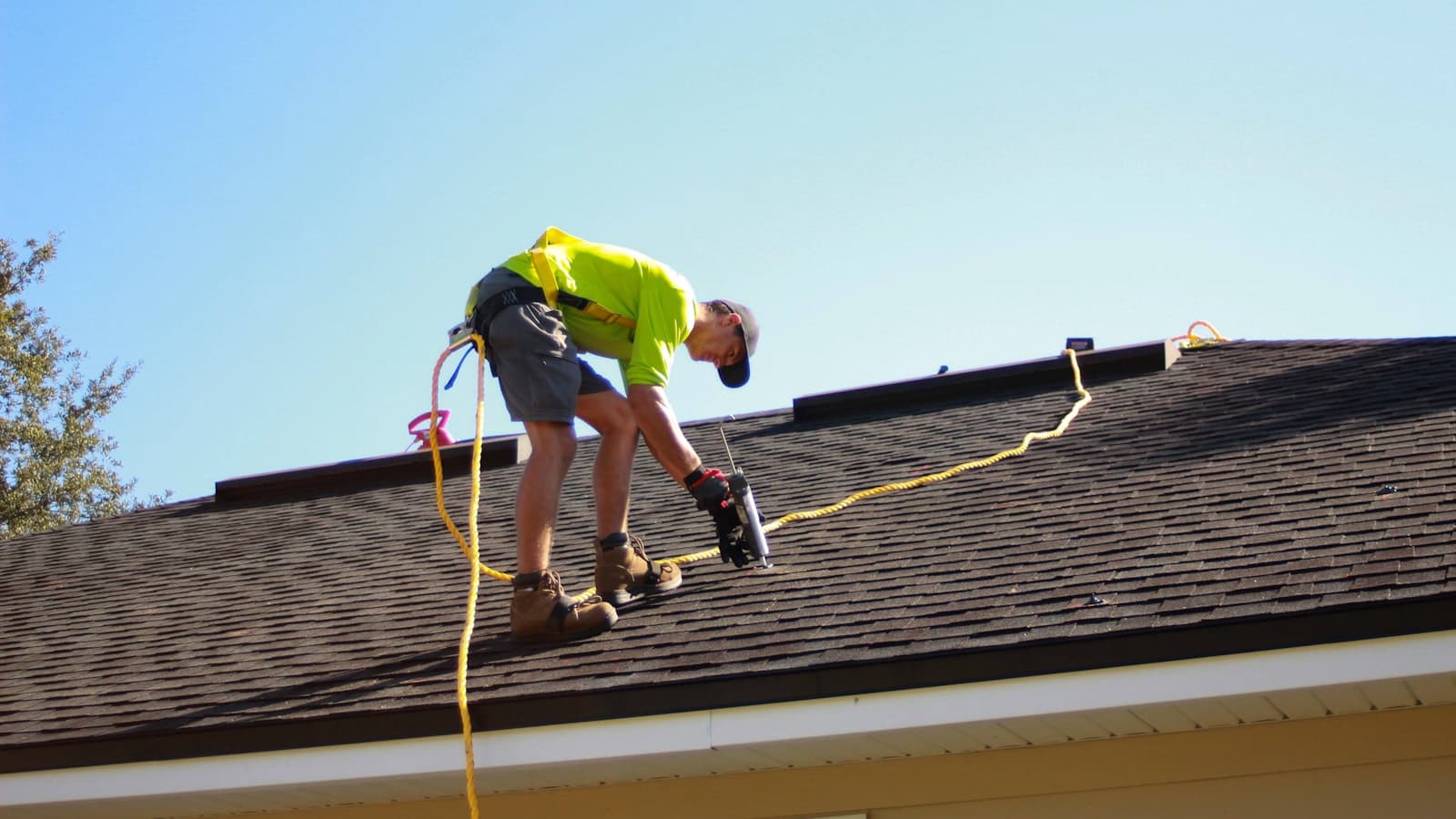
Roofing lead generation does not look like any other trade because the demand curve is event-driven. A hailstorm rolls through DFW on April 12, and inside 72 hours every roofing contractor with a working phone is buried in inspection requests. A normal Tuesday in February produces a fraction of that volume. Your monthly lead total is one big spike and a long flat line.
The system that fits roofing is built around storm-trigger SEO and an insurance-documentation flow. NOAA hail-event data feeds the system. When a confirmed event lands in your service area, your geo-targeted ads activate inside 24 hours, your landing pages reference the storm date and ZIPs, and your intake form captures the data the homeowner's insurance adjuster will need: storm date, damage type, photos, claim status. The contractors who built this pipeline before 2024 are the ones currently winning the hail markets in Texas, Oklahoma, Colorado, and the Midwest.
Average ticket: $9,000 to $28,000 for a full residential reroof, $1,800 to $4,500 for a partial repair. Margin compresses fast on residential reroofs in saturated storm markets, which is why the contractors who win on speed-of-response (first inspection booked) also win on margin (no race to the bottom on price).
For the full breakdown of how this layer works, see how roofing contractors are booking 25+ inspections a month without cold calling.

HVAC: Peak-Season Missed Dispatch
HVAC has the cruelest demand pattern in home services: peak demand and peak workload hit at the same time. When the heat dome rolls in, your trucks are stacked, your dispatcher is on hold with a parts supplier, and three phones are ringing. According to a 2025 ServiceTitan industry report, the average HVAC company misses 27% of inbound calls during business hours and over 50% during heat events.
The system that fits HVAC is missed-call text-back combined with sub-60-second AI dispatch. When a homeowner with an 88-degree house dials your shop, the system picks up the slack your dispatcher cannot. Within 15 seconds of the missed call, the homeowner gets a personalized text. Within 60 seconds, they have an appointment booked. The economics are simple: at an average emergency repair ticket of $387, every recovered missed call is roughly $300 in net margin you would otherwise lose to the next contractor on Google.
Seasonality: heat events drive the biggest bursts (May through September across most of the US southern tier), with a secondary peak during deep cold snaps. Tune-up season in spring and fall produces predictable, lower-ticket volume that benefits from the same automation.
For the full breakdown, see how HVAC companies win the 90-second dispatch race.
Plumbing: 24/7 Emergency Response Gap
Plumbing lead generation is fundamentally a response-time game. A homeowner with a burst pipe at 2 AM does not leave a voicemail and wait for a callback at 8. They call three companies and book whoever answers first. According to research from Lead Connect, responding to a lead within five minutes makes you 21 times more likely to qualify that lead compared to waiting 30 minutes. After-hours, that gap is even more punishing because most of your competitors are also offline.
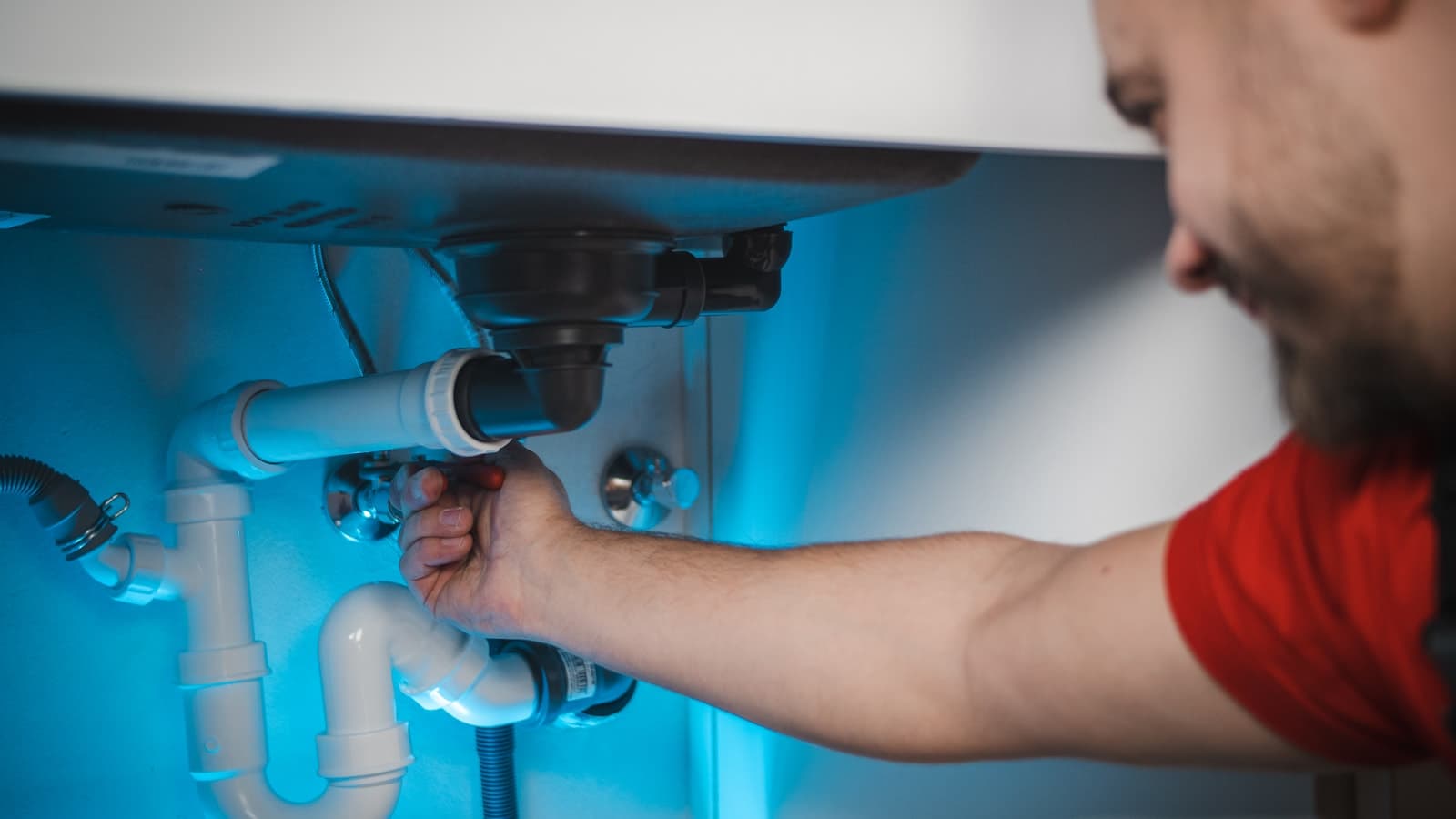
The system that fits plumbing is an always-on AI booking layer that handles the after-hours volume your office staff cannot cover. Missed-call text-back, AI qualification, calendar booking, and dispatch routing all run while your team sleeps. Average residential ticket of $350 to $1,200 means even a few recovered after-hours calls per week pays for the entire system.
Year-round demand with massive freeze-event spikes. The plumbers who built always-on capture before the February 2021 Texas freeze and the December 2022 nationwide bomb cyclone are the same plumbers who captured 3x to 5x their normal monthly revenue inside those event windows.
For the full breakdown, see how plumbers are booking more jobs without chasing every call.
The Lead Piranha Playbook
Weekly strategies we use to close more deals.
AI-powered lead gen, paid ads breakdowns, and booking flow teardowns. Zero fluff.
No spam. Unsubscribe anytime.
Electrical: Bid-to-Award Follow-Up Gap
Electrical contractors are the trade where bid-to-award velocity matters more than instant response. A property manager soliciting bids on a tenant improvement project picks the contractor who follows up on the bid inside 4 hours instead of 4 days, and a 60-second first answer matters less there than anywhere else. According to NECA's 2025 commercial bidding report, contractors who follow up within 4 hours win 61% of bids vs 38% for those who wait 24 hours. Same proposal, same price.
The system that fits commercial electrical is bid-velocity automation: structured follow-up sequences that nurture the property manager from bid sent through bid awarded across the 4 to 14 day decision window. Permit and inspection coordination is the second layer that matters, because property managers asking "when is the inspector coming" eat hours of estimator time that could be on site walks. Average commercial bid: $14,200. Average residential ticket: $800. The commercial side is where the velocity gains compound the fastest.
EV charger demand is exploding. According to the Department of Energy's Alternative Fuels Data Center, EV charger installation requests jumped 41% year over year in 2025, and commercial Level 2 and DC fast charger projects represent the highest-margin segment.
For the full breakdown, see how a Phoenix commercial electrician doubled bid wins with AI follow-up.
General Construction: Long-Cycle Nurture for High-Ticket Remodels
General contractors selling kitchen remodels, additions, ADUs, and full-home renovations operate on a totally different timeline than the trades. The decision cycle is 60 to 180 days. The homeowner is comparing 3 to 5 GCs. The price is high enough that nobody signs on the first call. According to the National Association of Home Builders' 2025 remodeling consumer survey, the average residential remodel buyer takes 94 days from initial inquiry to signed contract.
The system that fits general construction is multi-month nurture combined with a qualifying system that filters out the inquiries who are not financially or geographically qualified. The qualifying system asks project type, budget range, timeline, and address. The nurture sequence delivers project-relevant content (kitchen remodel guides, ADU permitting in your jurisdiction, financing options) over 60 to 120 days. By the time the homeowner is ready to sign, your shop has been the trusted voice in their inbox for 3 months.
Average ticket: $80,000 for a kitchen remodel, $180,000 for an addition, $280,000+ for a full home renovation. Margins are healthy when the qualifying system filters out the homeowners who want a $40K kitchen on a Pinterest budget.
How to Pick the Right Booking Automation for Contractors System Layer
Most contractors look at this matrix and immediately know where they live. If you missed 6 calls last Tuesday between noon and 6 PM during a heat event, you are an HVAC dispatch problem. If you sent out 31 commercial bids last month and won 6, you are an electrical bid-velocity problem. If your last big remodel signed 4 months after the first phone call and you have nothing in your pipeline behind it, you are a GC long-cycle-nurture problem.
The mistake most contractors make is buying a generic agency package that runs the same Meta ads for every trade. Generic home services marketing treats a roofer and a remodeler as the same buyer. That is the snowplow-on-sports-car problem. The agency does not know whether your real bottleneck is dispatch, bid follow-up, or 90-day nurture, so they default to "run more ads" and blame the lead quality when nothing converts.
A system built for your specific trade does the opposite. It identifies your bottleneck, builds the layer that closes the bottleneck, and feeds traffic into that specific layer. That is why the contractors running trade-specific lead generation see 2x to 4x better return on the same ad spend as the contractors running generic ones.
The Lead Piranha Growth System
Click any step to see details. Highlighted steps show the complete flow.
The same framework powers results across professional services too. We have seen the same dynamic play out with insurance agents replacing cold calls and med spas closing the rebook window. Different industries, same principle: identify the actual bottleneck, build the layer that closes it.
What This Costs Across Trades
Budget varies by trade because the system layers vary.
- Roofing: $3,500 to $6,500 a month including ad spend, weighted toward storm-event geo-targeting
- HVAC: $3,000 to $5,500 a month, weighted toward dispatch automation and missed-call recovery
- Plumbing: $2,800 to $5,000 a month, weighted toward 24/7 AI capture and after-hours routing
- Electrical (commercial): $4,000 to $7,500 a month, weighted toward bid-velocity automation
- General construction: $4,500 to $8,000 a month, weighted toward content production and long-cycle nurture
Calculate Your Growth Potential
Adjust the inputs below to see projected results for your business.
The math that matters is return on system spend, not absolute spend. A GC spending $7,500 a month who closes one extra $180K remodel per quarter is at 24x return. An HVAC shop spending $4,500 a month who recovers 12 missed calls per week at $387 average ticket is at $20K monthly recovered revenue against system cost. The trade-specific layer is what produces the return. The generic agency package is what produces the bill.
See What Your Trade's Lead System Actually Costs to Build
Every market is different. A residential roofer in Tampa has different competition, pricing, and demand patterns than a commercial electrician in Cleveland or a kitchen-remodel GC in Austin. The system architecture changes by trade. The targeting, follow-up cadence, and integration with your existing software changes by shop.
If you want to see what the right system layer looks like for your specific trade, your service area, and your goals, apply here and we will put together a breakdown of what we think is achievable for your business.