EV Charger Installation Fort Lauderdale: Win the Quote Race
EV charger installation Fort Lauderdale is won in the first reply. How AI lead capture qualifies the panel and books the assessment before rivals.
A homeowner in Victoria Park picks up their new EV on a Saturday, drives it home, and realizes the garage has nowhere to plug it in. So they do what everyone does now. They open Google, type in EV charger installation Fort Lauderdale, and fire off quote requests to the first four electricians they see. All four get the same inquiry within about ten minutes of each other. The one who replies first, sounds like they know panels, and books the site assessment on the spot is the one who gets the job. The other three send a polite callback two hours later and find out the slot is already taken.
I want to give you the playbook for being the first electrician who answers, every time, without you personally watching your inbox on a Saturday. Here are the three things to take away. Why the home-charger inquiry rewards the fast responder more brutally than almost any other electrical job. What an AI lead-capture layer actually asks the homeowner so the assessment gets booked qualified, not blind. And how this rides on top of Jobber instead of replacing the scheduling and dispatch you already run.
Fort Lauderdale anchors the Broward end of the South Florida market we run from our Miami base. The same booking system behind our home services lead generation that wins electrical work across Miami-Dade carries straight up into Fort Lauderdale.
Why EV Charger Installation in Fort Lauderdale Is a First-Reply Game
South Florida EV adoption has been climbing hard, and Fort Lauderdale is one of the metros where it shows up first in a residential electrician's inbox. The Department of Energy's Alternative Fuels Data Center tracks the registration curve state by state, and Florida sits near the top for total EVs on the road. Every one of those cars is a homeowner who eventually wants a Level 2 charger in the garage, and almost none of them know which electrician to call. So they call several.
That is what makes this job behave differently from a panel upgrade or a ceiling fan install. The homeowner has no existing relationship and no loyalty. They have a new car they cannot conveniently charge, a little buyer's impatience, and four browser tabs open. The decision gets made in the first hour, often the first fifteen minutes, and it goes to whoever feels the most ready to roll out and look at the panel. I traced a nearly identical dynamic over in solar lead generation in Homestead, where the installer who responds before the homeowner finishes shopping wins the proposal slot, and the slow responders end up bidding against a decision that was already half made.
The cruel part is that you are usually losing these jobs while you are doing other jobs. You are up in someone's attic running a circuit, your phone is in the truck, and three EV inquiries land while you are heads-down. By the time you climb out and check, the homeowner has already talked to a competitor who happened to be near their phone. The marketing spend that drove all four of those inquiries was roughly the same. Who answered first is the entire difference.
The Lead Piranha Playbook
You shouldn't need a team of ten to keep the week running.
Every Tuesday I show you one job I handed off for good. What it does, the tools by name, and the prompt to copy.
No spam, unsubscribe anytime.
What Does AI Lead Capture Actually Ask the Homeowner?
Let me be specific, because "AI captures the lead" sounds vague and a little hand-wavy. Here is what actually happens when an EV charger inquiry hits your site or your Google Business profile and you are mid-job. The capture layer responds in seconds, in a normal conversational voice, and it does the qualifying that you would do yourself if you had time to stop and text back.
It confirms the basics first, the homeowner's name and the property address, so you know it is a real Fort Lauderdale install and not a tire-kicker three counties away. Then it gets into the details that decide your whole quote. What car is it, since a Tesla wall connector installation runs differently from a universal J1772 unit. Where does the homeowner want the charger mounted, and how far is that from the electrical panel. How old is the panel, and do they know the amperage, because a 100-amp service feeding a hungry new house may need a load calculation or an upgrade before a 48-amp charger is safe. Is it an attached garage, a carport, an outdoor wall. Each answer narrows the assessment so your tech rolls up already knowing what they are walking into.
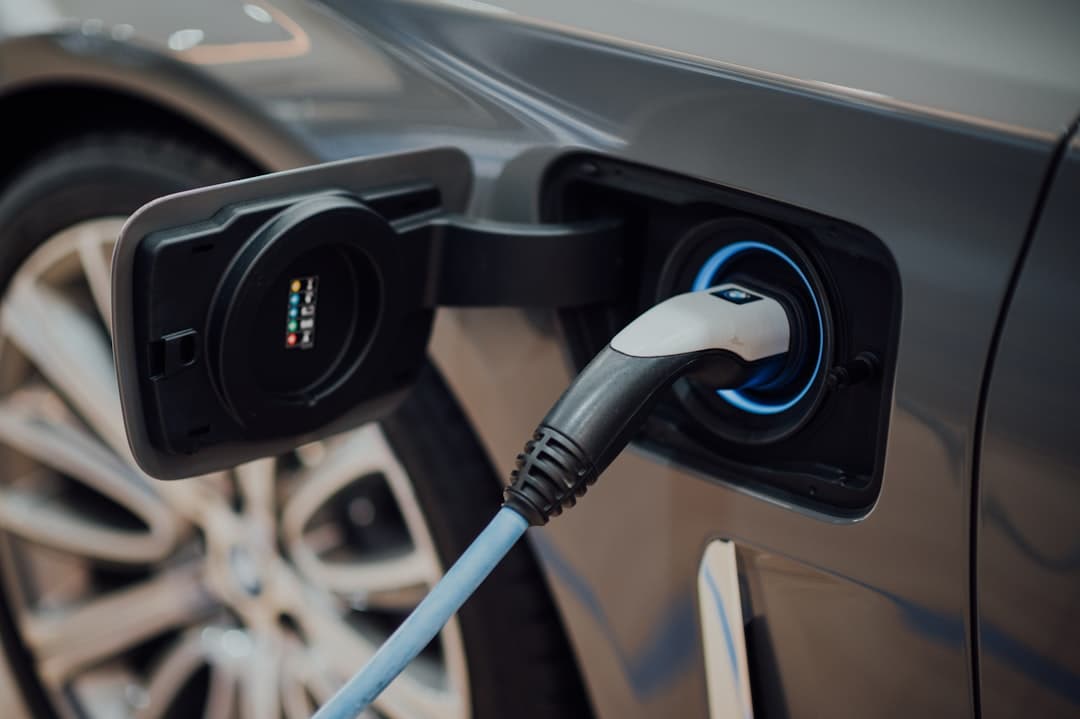
The point of all that qualifying is that the homeowner gets a real, booked site assessment instead of a "we'll call you back," and you get a job on the calendar with the panel and charger details attached before anyone drives anywhere. The same fast-qualify pattern shows up in the way Phoenix commercial electricians win more bids, where the speed of a qualified first response is what gets the electrician in the door ahead of the field. Residential EV work is that, compressed into a much shorter shopping window.
Before
- Four EV inquiries land while you are on a roof
- Your phone sits in the truck for two hours
- Homeowner books the competitor who replied first
- You send a callback into a closed door
- Panel and charger details are a mystery
- The site assessment never gets scheduled
After Lead Piranha
- AI capture replies within seconds every time
- It qualifies the car and panel and amperage
- Site assessment books while interest is hot
- Homeowner stops shopping the moment they book
- Your tech arrives knowing the full scope
- The job lands on your calendar pre-qualified
You also avoid the worst outcome on the other end, which is rolling a truck to an assessment that was never going to happen. The capture layer can tell the genuine homeowner who already owns the EV apart from the someday-curious renter who is just collecting numbers. The real buyers get the assessment. The maybes get a tidy follow-up. Nobody who is ready to pay gets dropped, and nobody who is not ready eats your windshield time.
Does This Replace My Jobber or Sit on Top of It?
It sits on top, and I would be skeptical of anyone who tells you to rip out the software you already trust. Jobber is your scheduling, your quoting, your dispatch, your invoicing, and your client history, and it is good at every bit of that. What Jobber does not do on its own is answer a brand-new website inquiry in fifteen seconds at 9pm on a Saturday, hold a real conversation about panel amperage, and book the assessment before the homeowner closes the tab. That fifteen-second window is the slice the AI layer owns, and it owns only that slice.
When the assessment gets booked, the appointment writes straight into Jobber as a scheduled visit with the address, the EV model, the requested charger location, the panel notes, and the full transcript of what the homeowner said. Jobber automation handles the confirmations and reminders from there the way it already does for your other work. Your morning starts with a qualified assessment on the board instead of a voicemail to chase down. We walk through exactly how the capture-to-Jobber handoff wires together in our full process overview, so you can see where the AI hands the job back to your team and your existing workflow takes over.
Why a generic answering service does not close this gap
A standard after-hours answering service takes a message and promises a callback, which is the exact lag you are trying to kill. It does not know a Tesla wall connector from a NEMA 14-50 outlet, it cannot ask about panel amperage, and it cannot drop a booked assessment into your calendar. The homeowner is still waiting on a callback while they message the next electrician, so you have added a monthly cost without closing the bleed. The fix has to qualify and book in the same conversation, not relay a note.
There is a real revenue shape underneath this. A residential electrician in Fort Lauderdale fielding home-charger inquiries through paid search and their Google profile loses a meaningful chunk of those EV charger installer leads to slow first response, and a single recovered EV install, often a thousand dollars and up once a panel upgrade enters the picture, tends to cover a month of running the capture layer. The leads were already being paid for. The only variable is whether you were the first to answer them.
I will not invent a client testimonial for you here. What I will say is that this is the cleanest, most valuable fix I can point a tech-forward residential electrician toward right now, because the EV wave is still cresting and most of your competitors are still answering these inquiries by hand, hours late, between jobs. The same speed-of-response edge fills calendars for Fort Lauderdale pool service contractors in the summer rush, and it works here for the same plain reason. The homeowner books whoever is ready first.
Book More EV Assessments Before Competitors Call Back
If you run a residential electrical operation in Fort Lauderdale and you know in your gut that home-charger inquiries are slipping away because you cannot watch your inbox from inside a panel, the AI capture layer in front of Jobber is the tightest fix I can hand you. It answers every EV inquiry in seconds, qualifies the car and the panel and the amperage, books the site assessment while the homeowner is still deciding, and writes the whole thing into Jobber so your day starts with confirmed work. If any of this sounds like your Saturdays, book a 30-minute working session and we will pull your recent EV inquiry log against your booked-assessment rate so you can see the gap in your own numbers.
Next I want to move off the first-reply hour and into the longer game, the panel-upgrade and whole-home rewire jobs that do not need a fifteen-second answer but quietly decide whether your shop has steady work between the EV rushes. Same Fort Lauderdale market, a much slower clock.