Marine Service Leads Pompano Beach: DockMaster Speed Layer
Marine service leads Pompano Beach: how Hillsboro Inlet yards win the Saturday-morning sportfishing call before competitors return the voicemail.
How Pompano Beach Marine Yards Win the Saturday Morning Call
Marine service leads in Pompano Beach have a phone problem and almost nobody in the industry calls it that. The phone rings at 7:42 AM on a Saturday. A sportfishing captain idling at the Hillsboro Inlet jetty is staring at the no-charge light on his dash because the alternator just gave up halfway through his 6 AM run, and the charter party already paid for the day. He has two hours of battery left before the GPS and the radio go dark. He pulls up "marine service Pompano Beach" on his phone, taps the first result, and starts dialing every yard in the search results in order. The yard that picks up first owns the conversation, books him in for noon, and owns the next 18 months of his repair work because once a sportfishing captain trusts your shop, he sends every captain in the dock cluster to you. The yards that let it ring to voicemail will eventually call him back. The boat will already be at the first yard.
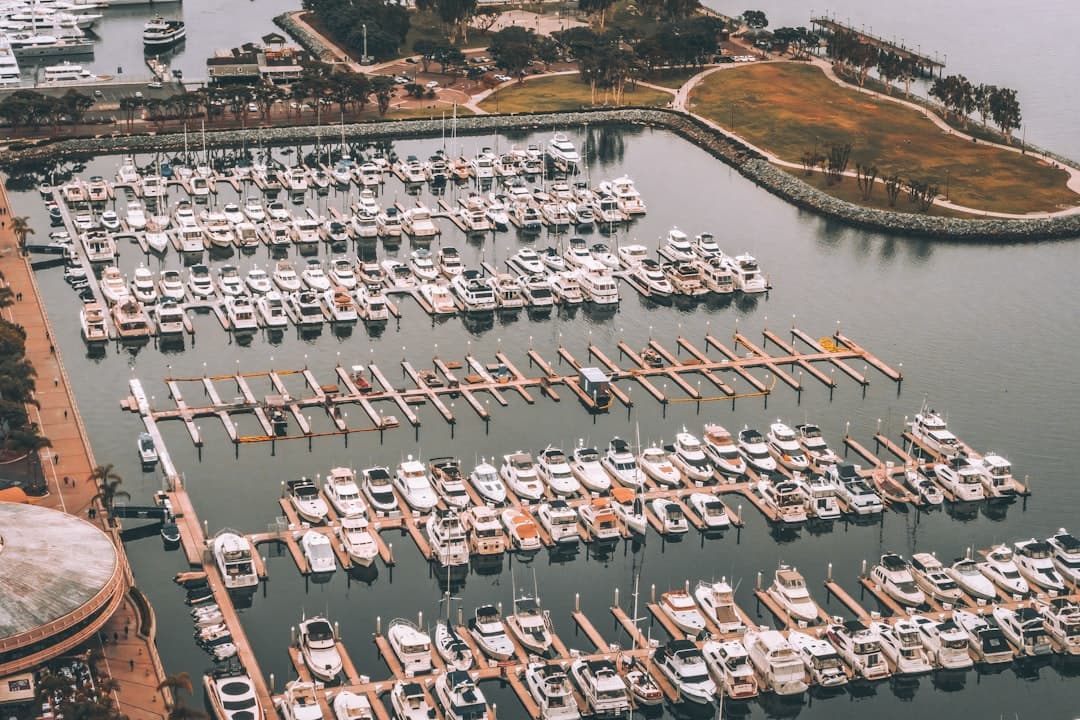
This is the Pompano Beach marine market in 2026 and almost nobody on the operator side has built an intake layer around it. Pompano sits in the heart of the Broward marine corridor between Fort Lauderdale and Boca, with Hillsboro Inlet as the main pass, a dense cluster of charter operators and private sportfishing captains using the inlet for offshore runs, and a service-yard base that runs about 60 to 75 percent of its annual revenue between April and November. The seasonal pattern means inbound call volume peaks on weekend mornings, peaks again Sunday afternoon when something broke during the run, and quiets down Tuesday through Thursday when captains are working their day jobs. The yards that win 2026 are the ones whose phone gets answered during the peak.
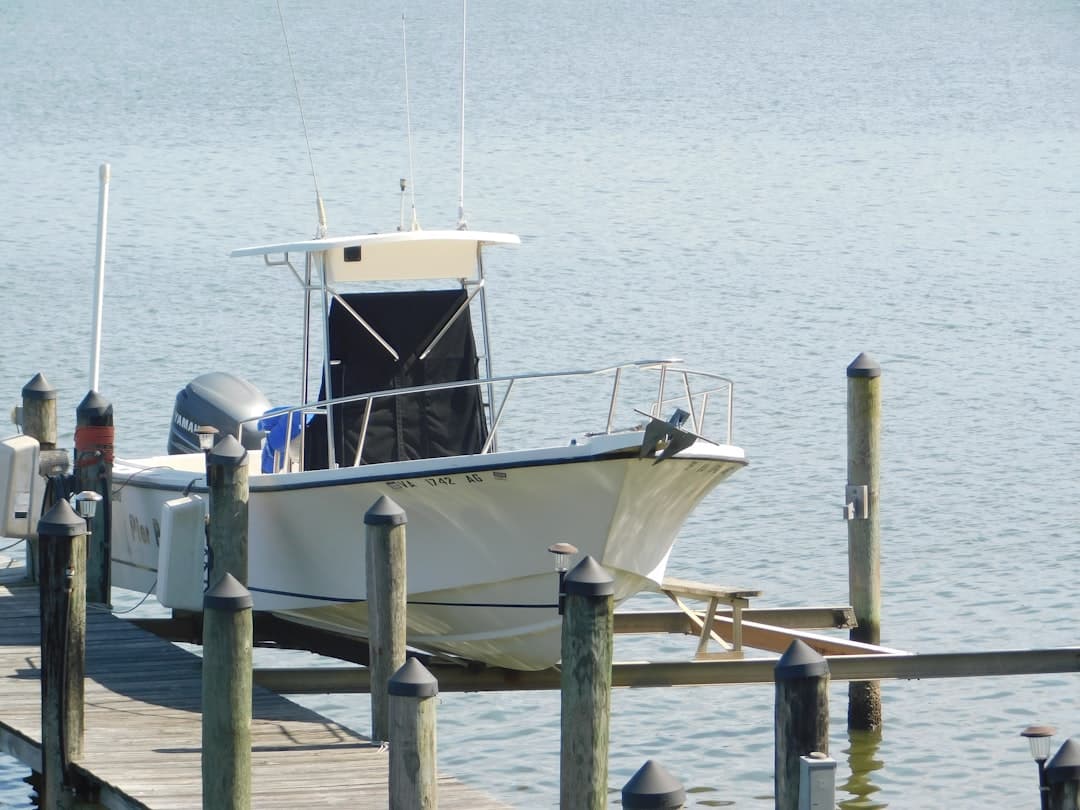
DockMaster is the back-office layer for almost every serious yard in this market, and DockMaster runs the work brilliantly. Estimates, slip allocations, parts orders to Volvo Penta and Mercury, labor tracking, dry storage, lift schedules, insurance documentation, multi-bay scheduling. The 25-plus-tech yards in Pompano have spent five years tuning their DockMaster workflows and the production team trusts the tool. What DockMaster does not do, by design, is sit on top of your main phone line at 7:42 AM on a Saturday and qualify a panicked captain in 90 seconds, route him to the next available service writer regardless of which lift is closer, send a same-day diagnostic estimate to his phone, and confirm the tow-in or trailer slot before he hangs up. That is a separate layer that runs in front of DockMaster, and it is what decides which yard the captain calls Sunday morning when something else breaks.
Pompano Beach sits on the Broward coast of the South Florida market we run from our Miami base. The same first-response system that books marine work across Miami-Dade carries up the coast to Pompano.
Why DockMaster Runs the Yard but Doesn't Catch the Saturday Morning Call
The work DockMaster was built for is the work that happens once the boat is on the lift. The two-engine diagnostic on a 31-foot Contender, the prop shaft rebuild, the gelcoat repair on the transom, the bottom paint refresh, the running rigging swap, the canvas re-stitch. DockMaster is the single source of truth on every active job and the yards that run it well have a production margin advantage you can see on the lift utilization report. None of those features include: detecting the first ring during a weekend peak, identifying whether the caller is a charter operator with a urgent same-day need versus a private owner with a planned haul-out, qualifying the engine package and fault description well enough to route to the right service writer, scheduling a diagnostic slot inside the lift availability that DockMaster manages but the AI scheduler can see, and confirming a tow-in arrangement with a captain who is on his phone in the cockpit and cannot stay on hold.
The pre-job layer has to coordinate with DockMaster, not replace it. The captain who gets routed cleanly Saturday morning has to land in DockMaster correctly Monday morning when the service writer sits down with the diagnostic notes. The estimate has to fire from DockMaster's parts pricing. The lift slot the AI committed to has to actually be available in DockMaster's schedule. The handoff is where most attempts at this layer have broken down in the past, and the yards that win 2026 are the ones whose AI intake and whose DockMaster production schedule talk to each other through the API instead of through a sticky note.
This is the same first-touch wound we mapped from the Doral auto-repair multi-bay shop on Monday in a completely different industry. The Tekmetric shop on NW 79th lost 60 percent of its weekend quote requests to whichever competitor picked up first. The Pompano marine yard loses 70 to 80 percent of its weekend service requests the same way. Different uniform, identical math at the inbox.
The Lead Piranha Playbook
Weekly strategies we use to close more deals.
AI-powered lead gen, paid ads breakdowns, and funnel teardowns. Zero fluff.
No spam. Unsubscribe anytime.
The 90-Second Window That Decides the Next 18 Months of Repair Work
Marine repair lead response in Pompano Beach is a margin question, not a volume question. A sportfishing captain or a private owner with a 32-foot center console does not call 20 yards. He calls three. The first one that picks up gets the boat in the lift. The other two get a voicemail message they return Monday afternoon, by which point the captain has already paid the deposit somewhere else, met the service writer, and started building the relationship that turns into the bottom paint job in October, the canvas re-stitch in November, and the engine refresh next April.
The math on a captured weekend captain is dramatic. The 2024 Pompano Beach marine market average lifetime value on a captured private owner of a 28 to 36 foot center console with twin outboards sits around $32K to $58K across the four to six year ownership window, depending on engine package and maintenance pattern. The sportfishing captain captures around $48K to $96K annual recurring revenue per yard once he is in the rotation, because charter operators run hard, break things often, and pay invoice on net 15. The yards that have built the first-touch layer in front of DockMaster have measured their captured-owner rate climbing from 22 to 28 percent of weekend inbound to 58 to 71 percent over the first 18 months of running the layer. The math is operational, not marketing.
Before
- 7:42 AM dead alternator at the Hillsboro jetty
- First yard rings to voicemail
- Second yard parks him on hold
- Third yard also voicemail
- Captain books with the fourth shop he tried
After Lead Piranha
- Your line picks up on the first ring
- 90-second qualifying call hears the engine and the charter context
- 11 AM diagnostic lands directly in DockMaster
- Tow scheduled with the Hillsboro partner
- Confirmation text before he hangs up
The hard part is not the AI scheduler. The hard part is making sure your AI scheduler knows the difference between Captain Reyes (urgent charter, billable today, lifetime-value $48K-$96K a year) and an out-of-town owner asking about pricing on a routine winterization (low urgency, price-shopper risk, lifetime-value if captured but slower booking conversion). The qualifying tree has to read the call cadence, the engine package, the storm-or-not context, and the season, and route accordingly. That tuning takes the first 8 to 12 weeks of running the layer, which is why yards that committed in March 2026 are already ahead of yards starting in June.
Does My Pompano Beach Yard Need This Layer or Just More Service Writers?
This is the question every yard owner asks when we walk through the first-touch math. The instinct is to hire two more weekend service writers. We have watched four Pompano yards try this since 2023. It works for the first month. It breaks at the first storm weekend.
Weekend marine call volume in Pompano Beach is not predictable. A normal Saturday morning at a 25-tech yard pulls 14 to 22 inbound calls before noon. A Saturday morning during a fishing tournament weekend or after a Friday squall pulls 40 to 70. No service-writer team built around a normal-Saturday baseline can pick up 70 calls in a four-hour window without dropping half of them. The body-count approach also assumes service writers want to staff every weekend year-round during the season. Most do not, and the ones who will are senior writers whose hourly cost makes the math break the other direction.
The math comparing the two options is uncomfortable enough that most yard owners stop describing it in prose once they see the line items.
Two weekend writers. $196K to $248K annual all-in. Coverage limited to roughly 9 AM through 1 PM Saturday and Sunday. Storm-weekend ceiling sits around 30 to 35 calls picked up before the queue starts overflowing.
Speed-to-lead layer. $4,800 to $13,200 annual depending on call volume tier. Coverage runs 24/7 with no break for weekends, evenings, or holidays. No ceiling on the call rate the layer can pick up.
Hybrid (one writer plus the layer). $112K to $137K annual all-in. The writer handles routine weekday morning slots. The layer picks up everything outside that window and during peak saturation. No ceiling.
The speed-to-lead layer answers the volume question for $400 to $1,100 a month depending on call tier. It does not replace your service writers. It picks up the weekend morning calls that hit during peak hours when your team is already saturated, qualifies them inside the marine-emergency playbook, schedules the diagnostic into DockMaster, and hands the production work back to your human team Monday morning. Your service writers still own the relationship. The layer just made sure they got the relationship to own.
What 30 Days of Tournament Season Without a Speed Layer Looks Like
The clearest way to see the damage is to track a single tournament weekend at the yard level. We pulled the actual inbound data from one Pompano marine operator running 18 techs across two locations who let us run a 30-day window through the 2024 Pompano Beach Saltwater Slam tournament weekend in May. The numbers are unmistakable.
The 53 calls that rolled to voicemail or hold during tournament Saturday did not all become lost revenue. About 31 percent called back later that day or Monday morning. The other 69 percent, roughly 37 captains, called another yard. At the operator's normal capture rate of 41 percent on captured weekend calls and the average annualized revenue of $52K per captured private owner plus the higher rate for charter captains, those 37 lost calls represented roughly $1.6M to $2.1M in foregone lifetime revenue from a single tournament weekend. The operator's annual revenue at the time was $9.8M across both locations. One tournament weekend cost them roughly 18 percent of their revenue ceiling because their Saturday morning phone answer rate could not keep up with the inbound surge.
The same pattern we documented for the Coral Gables vet practices running ezyVet on Tuesday shows up here in a completely different industry. The vet clinics lost reviews and ranking signal because the post-visit window never got captured. The marine yards lose captured-captain relationships because the Saturday-morning window never got picked up. Different first-touch window, same compounding loss. The 2011 Harvard Business Review study on lead response times sits underneath both: the odds of qualifying a lead drop by 6x between five and ten minutes, and by another 4x between ten minutes and an hour. Marine yards run inside that window every weekend whether they know it or not.
The Hidden Cost of Returning the Voicemail Monday Morning
The Tuesday-through-Thursday baseline tells a quieter version of the same story. Roughly 64 percent of Pompano Beach marine inbound during a normal week arrives via Google Local Service Ads, the yard's GBP profile, or organic Google search for "marine service Pompano Beach" or "boat repair Hillsboro Inlet." Those are commercial-intent searches. The captain or owner is actively trying to schedule something. Average time-to-first-callback in the Pompano marine market for yards running 15+ techs sits at 73 minutes. The 30-minute mark is the cliff. Past 30 minutes, your odds of getting the boat on your lift drop by about 65 percent because the owner has already spoken with someone.
By The Numbers
The same first-touch frame is going to land again Thursday when we walk through the Brickell RIA version of this in a fully regulated professional context, and Friday when we cover what attribution looks like in the Aventura med spa market. The wound is the same wound every time. The uniforms change. The math at the inbox does not.
Should I Build This Myself or Hire Lead Piranha to Run It?
Honest answer, because we get asked this every week. You can build a version of this yourself if you have a technical partner and a full tournament season of patient iteration.
The DIY route looks like this. You wire your main inbound number through Twilio or a similar voice-AI provider. You connect a language model to the marine-emergency playbook and calibrate it against how your senior service writers actually qualify a Saturday morning charter call. You build the routing tree that distinguishes urgent-charter from routine-private from price-shopper. You wire the qualified diagnostic appointments into DockMaster via the DockMaster API so the slot lands in the production schedule, the parts pricing pulls correctly, and the tow-in partner is notified automatically. You handle the edge cases that come in through the GBP messaging channel, the LSA inquiry form, the Facebook ad lead form, the marina-park referral channel, and the captain-to-captain WhatsApp recommendation, since each routes inbound differently and the speed window applies the same way to all of them.
It works. It also takes a deliberate technical lead, ongoing tuning through the first tournament season as the AI's qualifying questions get sharpened against real Pompano captains, and a stomach for the early conversations that read robotic before the prompt calibration catches up. The yards we have built this for would mostly rather pay someone to run that build and start capturing the weekend revenue the first season instead of the second.
The Lead Piranha approach is a 6 to 8 week build aligned with your tournament-season calendar. We map your existing inbound channels, your DockMaster workflow, your weekend service-writer rotation, and your captain-qualifying patterns. We design the layer to coordinate with the production-side workflows your service writers already trust so the speed layer never breaks anything downstream. We run the first three tournament weekends with active monitoring. After that, the layer runs itself with quarterly tuning.
If you operate 15+ techs in Pompano Beach and want to see what a speed-layer build would look like against your specific weekend volume, book a 30-minute yard operator audit. We map your current inbound channels against your peak Saturday call volume and show you the speed-to-lead conversion gap on your actual numbers, not a generic case study.