
Email Marketing Cost Per Contact, Explained
Email marketing cost per contact explained: why platforms bill by list size, what sending costs, and how to stop paying for contacts who never reply.
Your email platform bill went up again, but your list doesn't feel any more useful than it did last year. That frustration sits at the center of email marketing cost per contact. You pay more every time the list grows, even when most of those people haven't opened anything since their last quote.
This post explains what you're paying for and where the money leaks. We'll cover why platforms price by the contact and what a send costs on raw infrastructure. Then we'll show how a quote-driven or booking-driven business can set up its list so the bill follows revenue instead of clutter.
Why Do Email Platforms Charge by the Contact?
Email platforms charge by the contact because list size is the simplest stand-in for how much value you get and how much risk you bring. A bigger list usually means more sends, more support tickets, and more deliverability exposure on shared sending servers. Contact pricing rolls all of that into one predictable monthly number.
The sending itself is a small slice of what you pay for. The rest covers the drag-and-drop editor, template library, unsubscribe handling, bounce processing, automation builder, reporting, and the work of keeping shared servers out of spam folders. Those are real costs, and somebody has to carry them.
Here's the problem: per-contact pricing assumes every contact is worth roughly the same every month. For a service business with long buying cycles, that assumption is wrong. An event production company may hear from a corporate client once a year when the holiday party gets planned. A manufacturer's distributor may reorder every 18 months.
Those contacts are valuable but quiet. Per-contact pricing bills you for each of them every month, whether or not you're talking to them. That's why your email marketing cost per contact can creep up while the revenue the list produces stays flat.
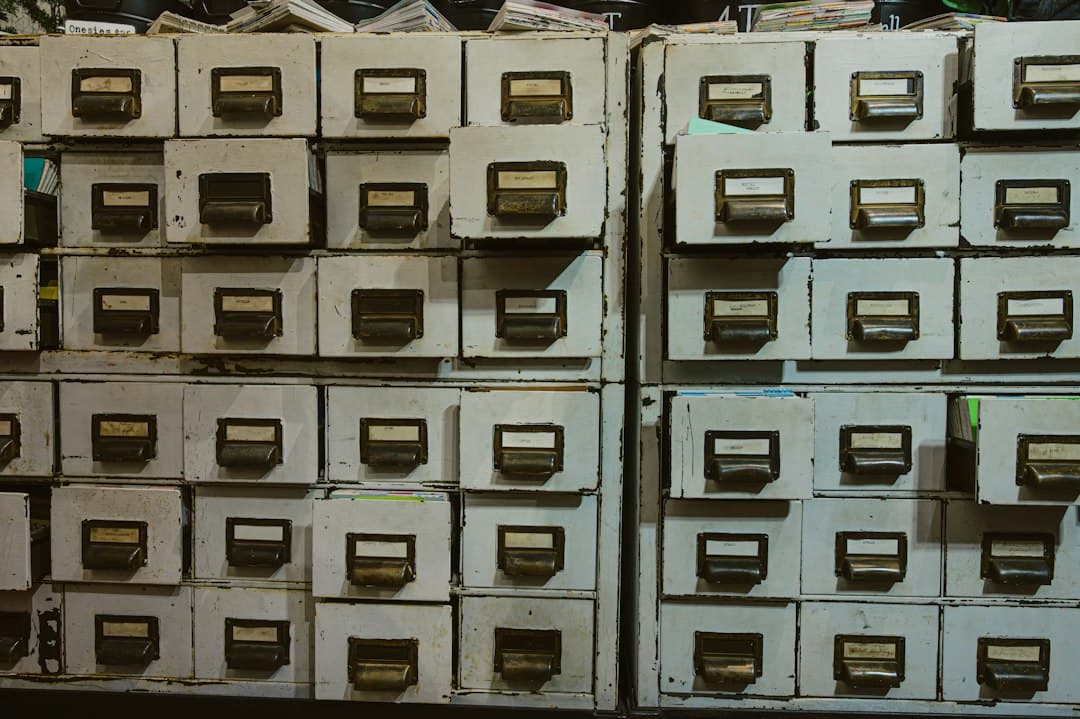
Email Marketing Cost Per Contact vs What Sending Actually Costs
To see the gap, look at raw sending infrastructure. Amazon's email sending service publishes a rate of $0.10 per 1,000 emails on its pricing page. At that rate, one campaign to 2,000 contacts costs about 20 cents to deliver.
Divide your monthly invoice by your billable contacts and you have your real email marketing cost per contact. Compare that figure to the raw number below. The difference is what you pay for software, convenience, and someone else handling the technical side.
That difference is fair when you use what you're paying for. Running raw infrastructure yourself means managing domain authentication, bounces, complaints, and unsubscribe compliance. Google's email sender guidelines require anyone sending more than 5,000 messages a day to Gmail accounts to authenticate their domain, offer one-click unsubscribe, and keep spam complaints low. Most owners shouldn't take that on alone.
Quick Win: Pull your last invoice and divide it by your billable contact count. Then count the contacts who opened or clicked in the last 90 days and divide the invoice by that number. The second figure is what an engaged contact costs you, and it's usually the one that stings.
| Contacts | Sends per month | Emails sent | Raw sending cost |
|---|---|---|---|
| 2,000 | 4 | 8,000 | $0.80 |
| 10,000 | 4 | 40,000 | $4.00 |
| 25,000 | 8 | 200,000 | $20.00 |
What Does Constant Contact Cost Per Month, and Why Does It Climb?
Constant Contact's monthly cost depends on two things: the plan tier and the number of contacts you store. Each tier is priced in contact bands, and the price steps up when you cross into the next band. We won't quote dollar figures here because platforms change prices and run promotions often, so check the current pricing page before you budget.
Most of the big names in email marketing pricing work the same way. Mailchimp, Constant Contact, and their competitors all tie the monthly price to list size. Some have counted unsubscribed contacts toward your plan unless you archive them, so read your own platform's billing rules instead of assuming.
The step-up is where service businesses get caught. Scan 600 badges at one trade show, import them all, and you can land in a higher band for every month after. Few of those badge scans were ever going to buy.
So if you've searched constant contact cost per month and found a starting price that looked cheap, remember that the starting price covers a small list. Quick Win: Before you import any event or trade show list, check which contact band it pushes you into. Then decide whether all of those people need to live in your email tool.
The Lead Piranha Playbook
You're doing the work of a team you don't have.
Every Tuesday I show you one job I automated for good. What it does, the tools by name, and the prompt to copy.
No spam, unsubscribe anytime.
Dormant Contacts Are the Most Expensive Line on Your Bill
Look at what's actually on a typical quote-driven list. You'll find active clients and open quotes. You'll also find past clients, people who asked for a quote three years ago and went elsewhere, vendors, and a pile of duplicates. Every one of them is billed at the same rate.
Owners usually react in one of two ways, and both cost money. Some keep everybody and pay for it. Others purge the list hard to bring the bill down and lose the past clients who would have rebooked.
Bottom line: deleting people is the blunt way to lower your email marketing cost per contact. Deliverability adds a second reason to be careful. Mailbox providers watch how people engage with your mail, so repeatedly emailing inactive contacts can push your messages toward the spam folder for the people who would have opened them.
That's why email list hygiene is a revenue question, not just a housekeeping chore. You need to know who is engaged, who is dormant but valuable, and who will never buy. You also need to know which source each contact came from, which is the same tracking problem we covered in our post on multi-channel marketing attribution. We walk through how the CRM, the email tool, and the follow-up connect in our full process overview.
Don't delete a past client to save a dollar
How Should a Quote-Driven Business Structure Its Email List?
The fix is to stop treating your email platform as the place where every contact lives. We're a Miami-based team, and when we build these systems the email tool is usually the last piece we choose. The CRM and the follow-up logic come first.
Keep the full contact history in your CRM
Your CRM holds everyone: every quote request, every past job, every conversation. It's the permanent record. Contacts there don't add to a per-contact email bill, so a past client from 2023 can sit safely until there's a reason to reach out.
Capture also matters. If quote requests come in through scattered forms and inboxes, they never reach the CRM cleanly to begin with. Our posts on RFQ lead capture and quoting spare parts show what clean intake looks like for manufacturers and parts suppliers.
Sync only the segments you're actively talking to
Your email platform should hold the people you're emailing right now. That means open quotes, recent clients, and past clients entering a reactivation window. Automation moves contacts in when a trigger fires, such as a quote going out or the anniversary of last year's event, and moves them back out when the sequence ends.
Timing makes this concrete in Q4. An event production company can sync last year's holiday party clients in October, run a rebooking sequence, and then pull them back out. A manufacturer can do the same with accounts that usually place year-end orders. With this setup, your email marketing cost per contact follows the people who are close to buying instead of everyone you've ever quoted.
Score your own setup below to see where your list stands.
Quick Growth Check
5 questions. 30 seconds. Find out where your growth system stands.
Turning a Quiet Contact List Into Booked Events and Signed Orders
Your email marketing cost per contact is only a problem when the list holds lots of people and produces little revenue. If you want help building the CRM, sync rules, and follow-up sequences that turn quote requests and past clients back into booked work, book a call with our team. Next week we'll cover what a quote follow-up sequence should say in the first 48 hours after a request comes in.